FDM 3D Printers in Pakistan
Filament-based 3D printers for functional parts, prototypes and large models. The right choice for most first-time buyers and for almost all engineering work.
31 FDM machines in stock, from PKR 145,000 to PKR 2,300,000.
What is Fused Deposition Modeling printing?
An FDM printer melts plastic filament and lays it down layer by layer to build an object. It is the most widely used 3D printing technology in the world, and for good reason: the machines are simple to run, the material is cheap and easy to store, and a finished part comes off the printer ready to use with nothing more than support removal.
For most buyers in Pakistan an FDM machine is the correct first printer. Filament is inexpensive and widely available, the printing process produces no liquid chemicals to handle or dispose of, and parts are strong enough to be used rather than just looked at. If you want to print brackets, enclosures, jigs, architectural models, replacement parts or product prototypes, this is the technology you want.
Not sure this is the right technology for you? Compare with resin printers, see the full 3D printer price list, or read which machine we recommend for each budget in the best 3D printers guide.
Best FDM 3D printers in Pakistan
Our recommendations by budget and by what you intend to print, chosen from live stock. Each links to the full reasoning in the buying guide.
Creality Ender-3 V3 SE FDM 3D Printer
PKR 165,000
Students, hobbyists and anyone buying their first printer.
Why we picked it →Bambu Lab A1
PKR 315,000
University labs, design studios and small businesses printing weekly.
Why we picked it →ELEGOO Centauri Carbon 2 Combo CoreXY Multi-Color 3D Printer
PKR 430,000
Teaching labs, engineering departments and training workshops.
Why we picked it →Bambu Lab A2L Large Format 3D Printer
PKR 410,000
Architecture practices, prop makers and anyone printing large single parts.
Why we picked it →Bambu Lab X1 Carbon
PKR 790,000
Manufacturers, service bureaus and R&D departments.
Why we picked it →FDM 3D printers in stock
Sorted by price, lowest first. All prices in PKR with official warranty included.
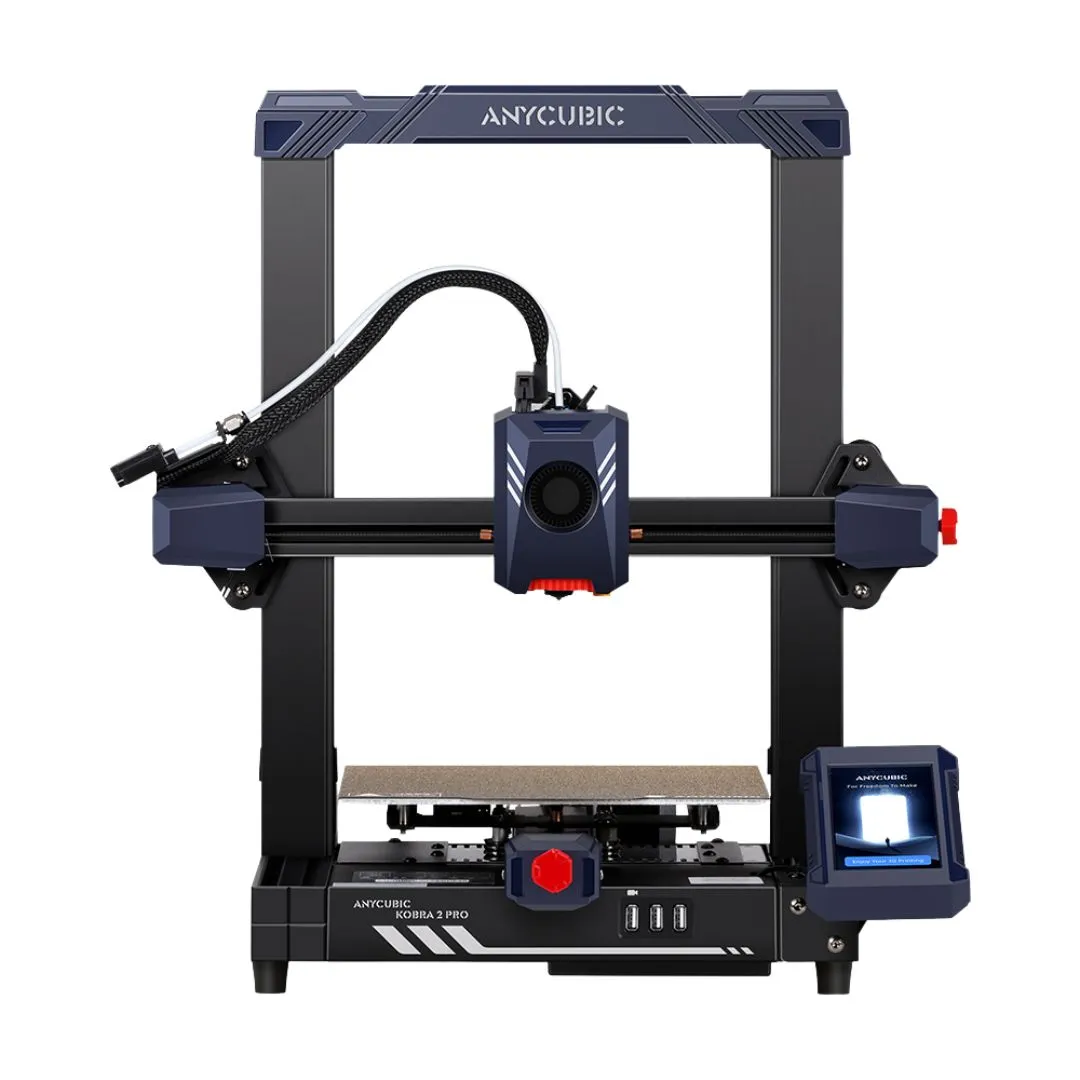 Save PKR 20,000
Anycubic Kobra 2 Pro FDM 3D Printer
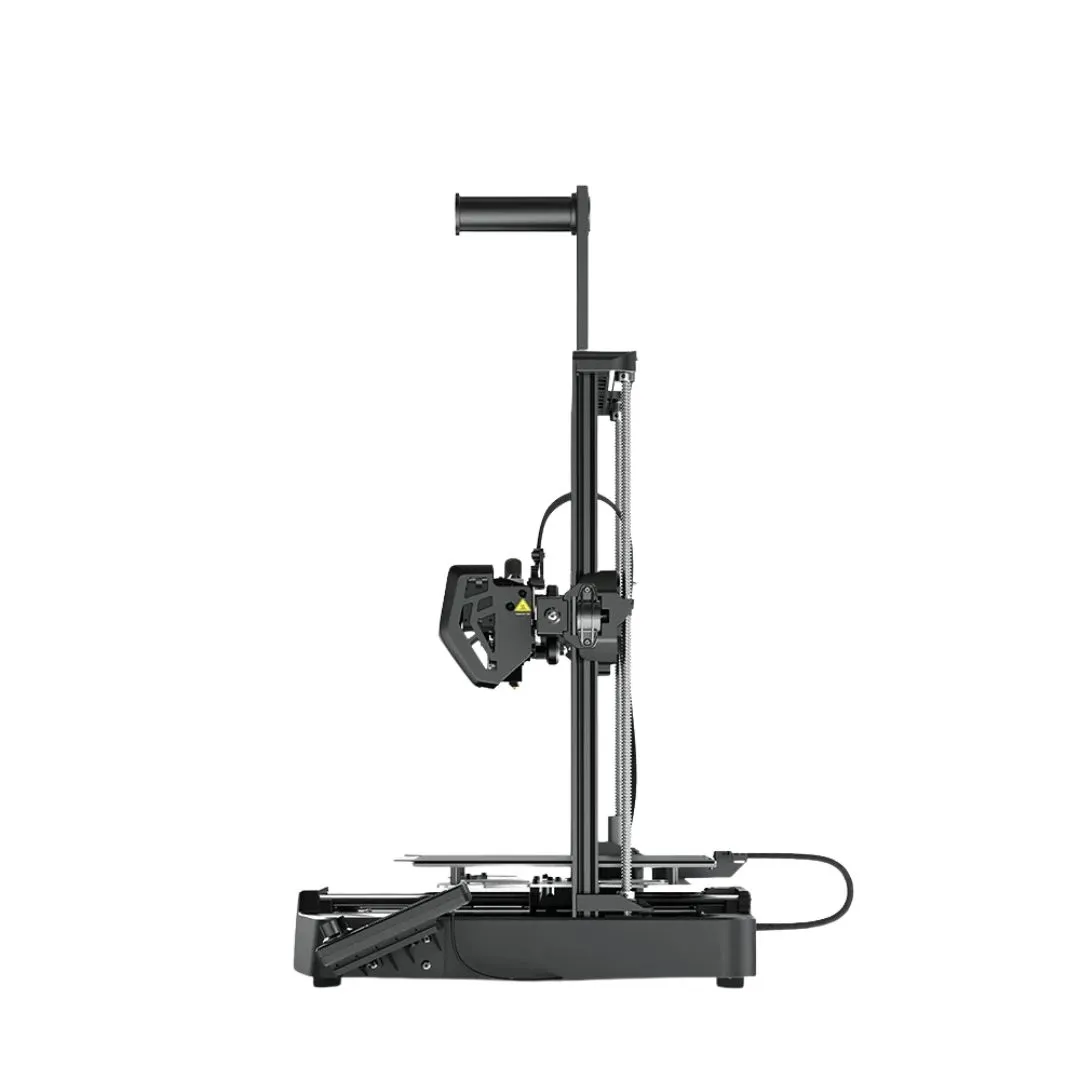 Save PKR 20,000
Creality Ender-3 V3 SE FDM 3D Printer
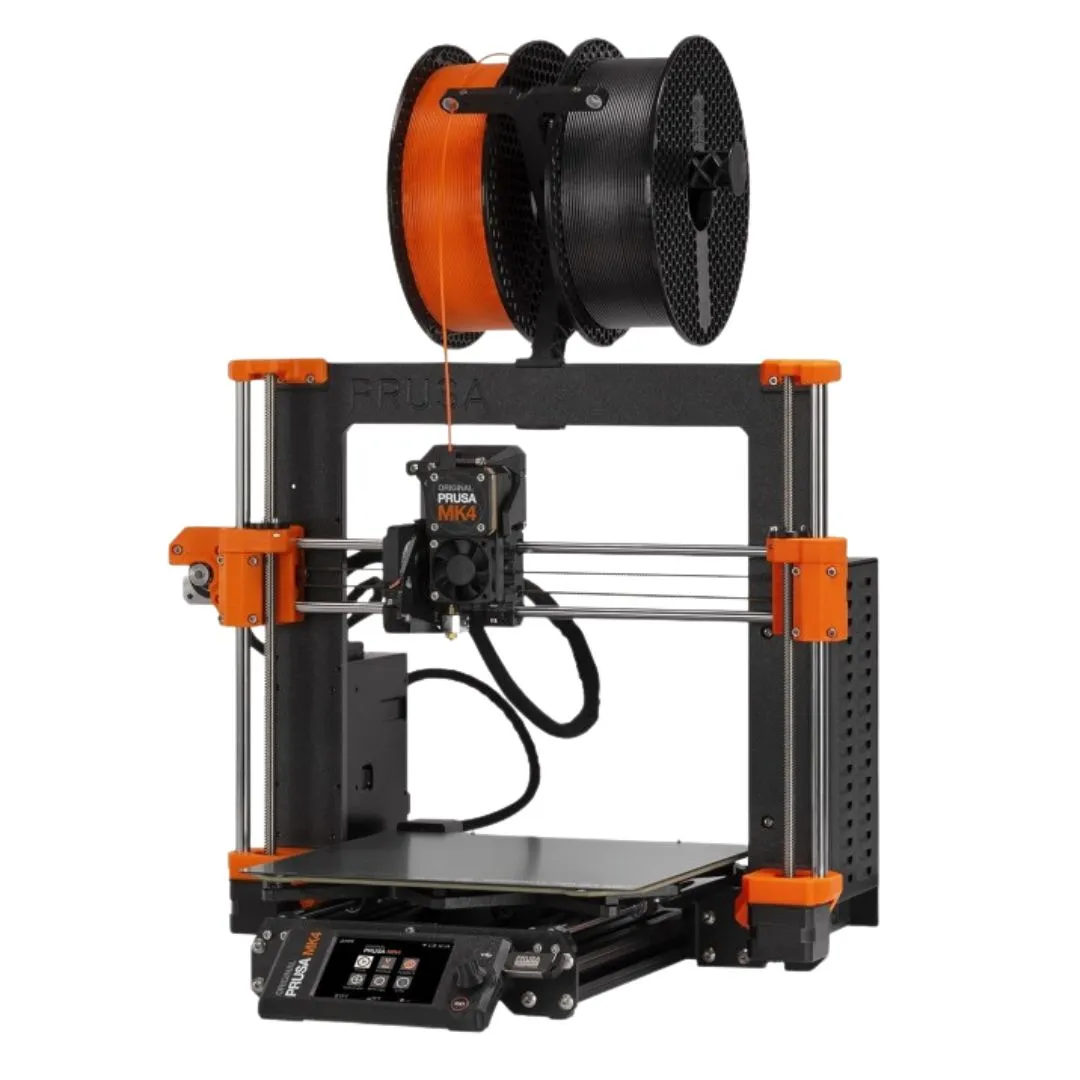 Save PKR 20,000
Prusa MK4S FDM 3D Printer
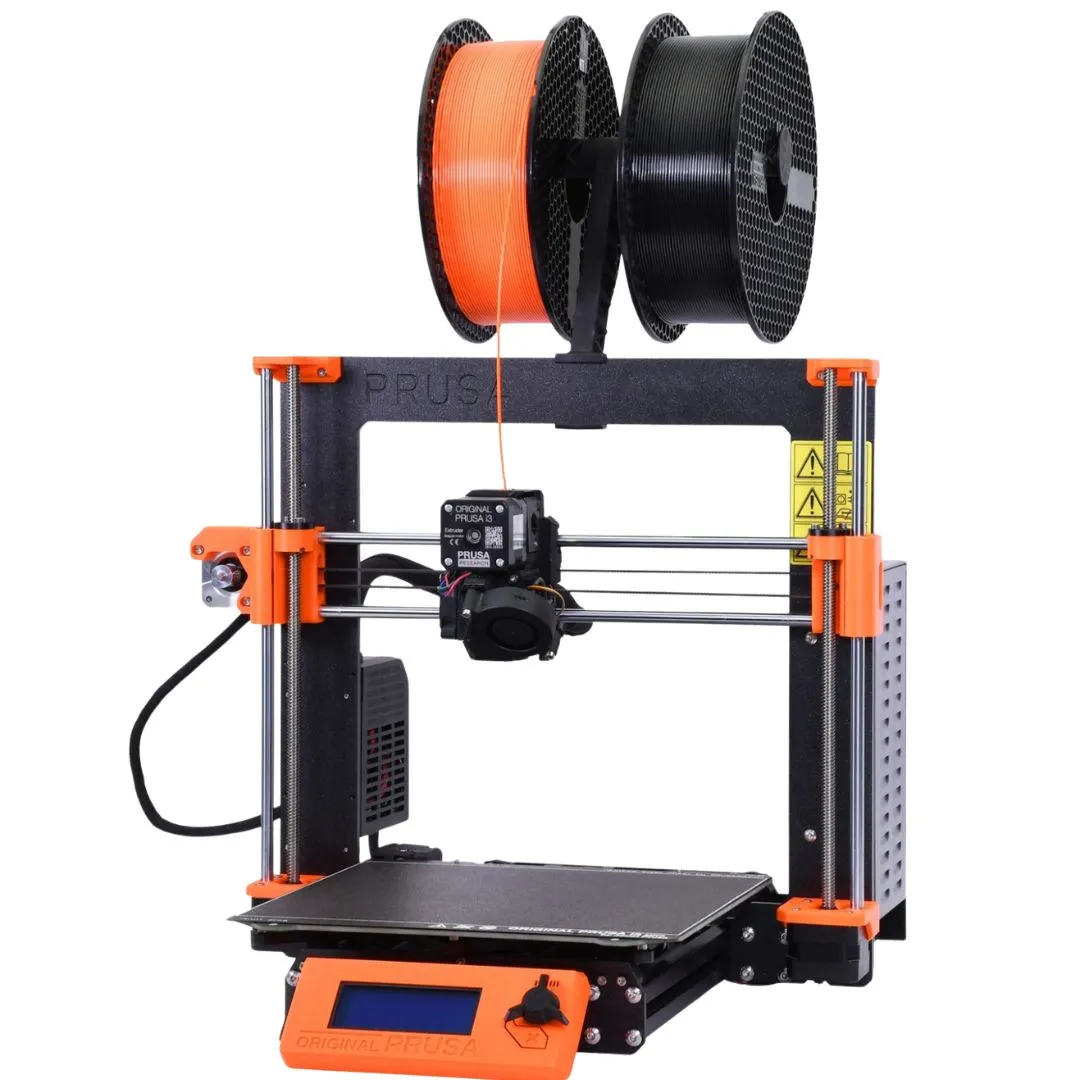 Save PKR 20,000
Original Prusa MK3S+ FDM 3D Printer
 Save PKR 15,000
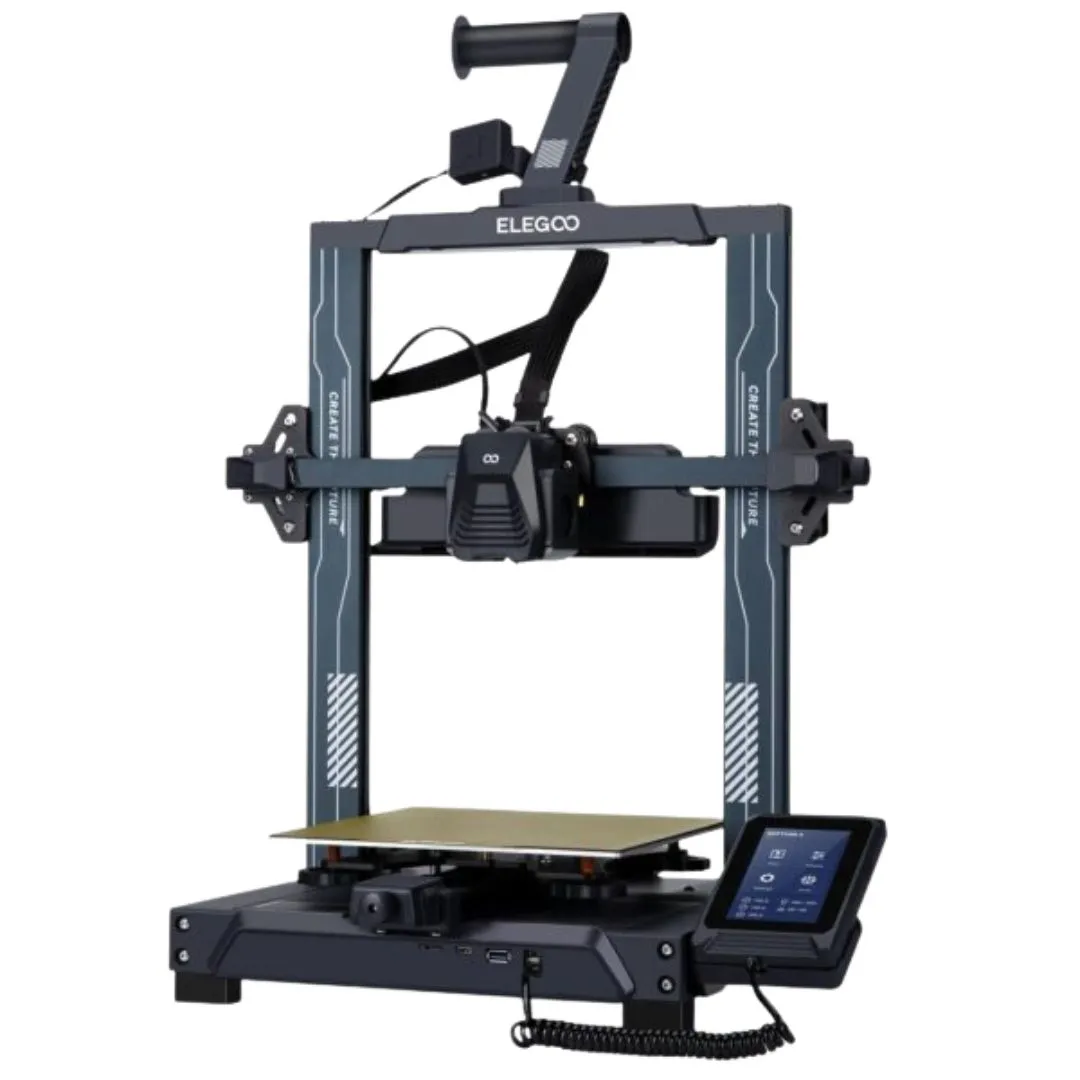
ELEGOO Neptune 4 FDM 3D Printer
 Save PKR 20,000
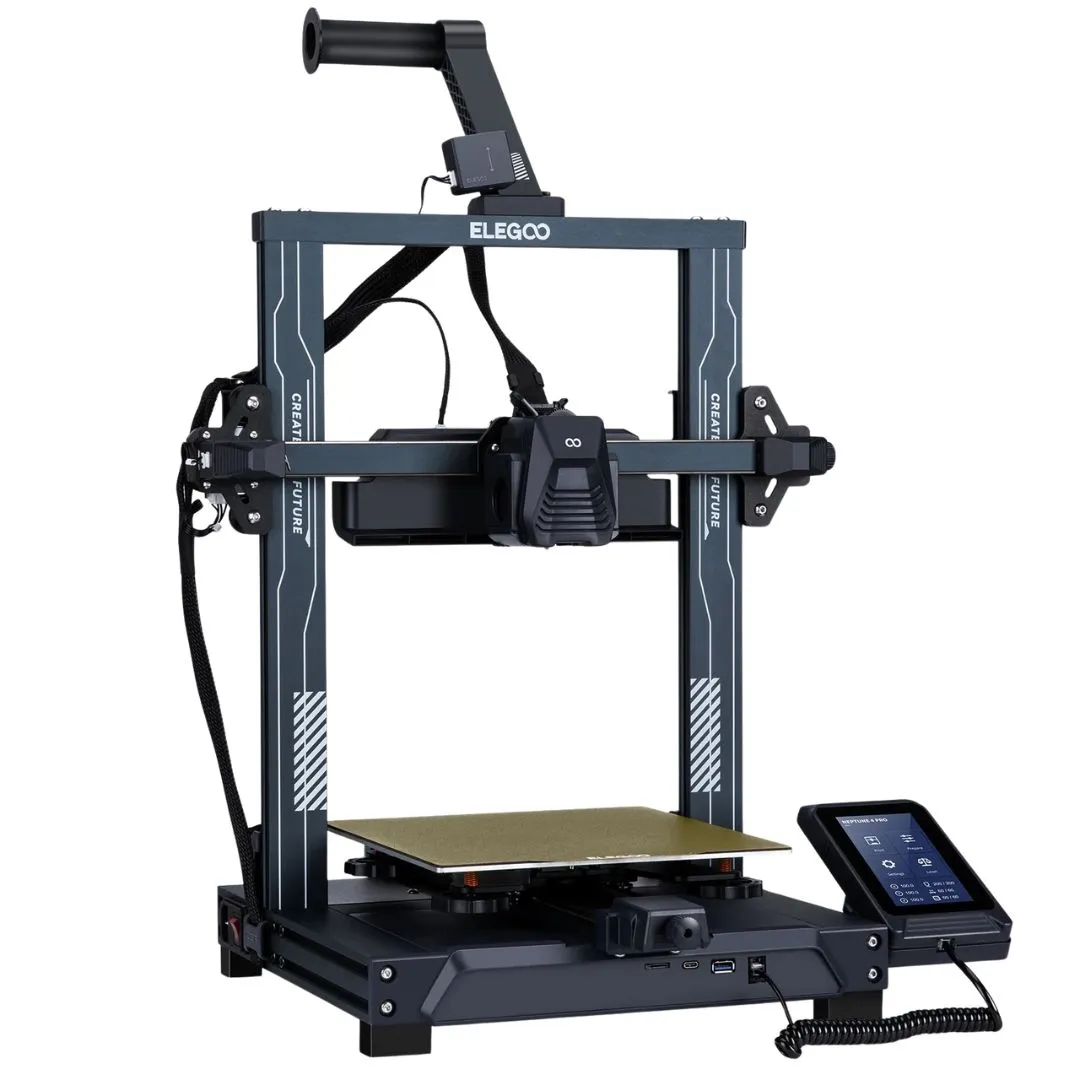
ELEGOO Neptune 4 Pro FDM 3D Printer
 Save PKR 20,000
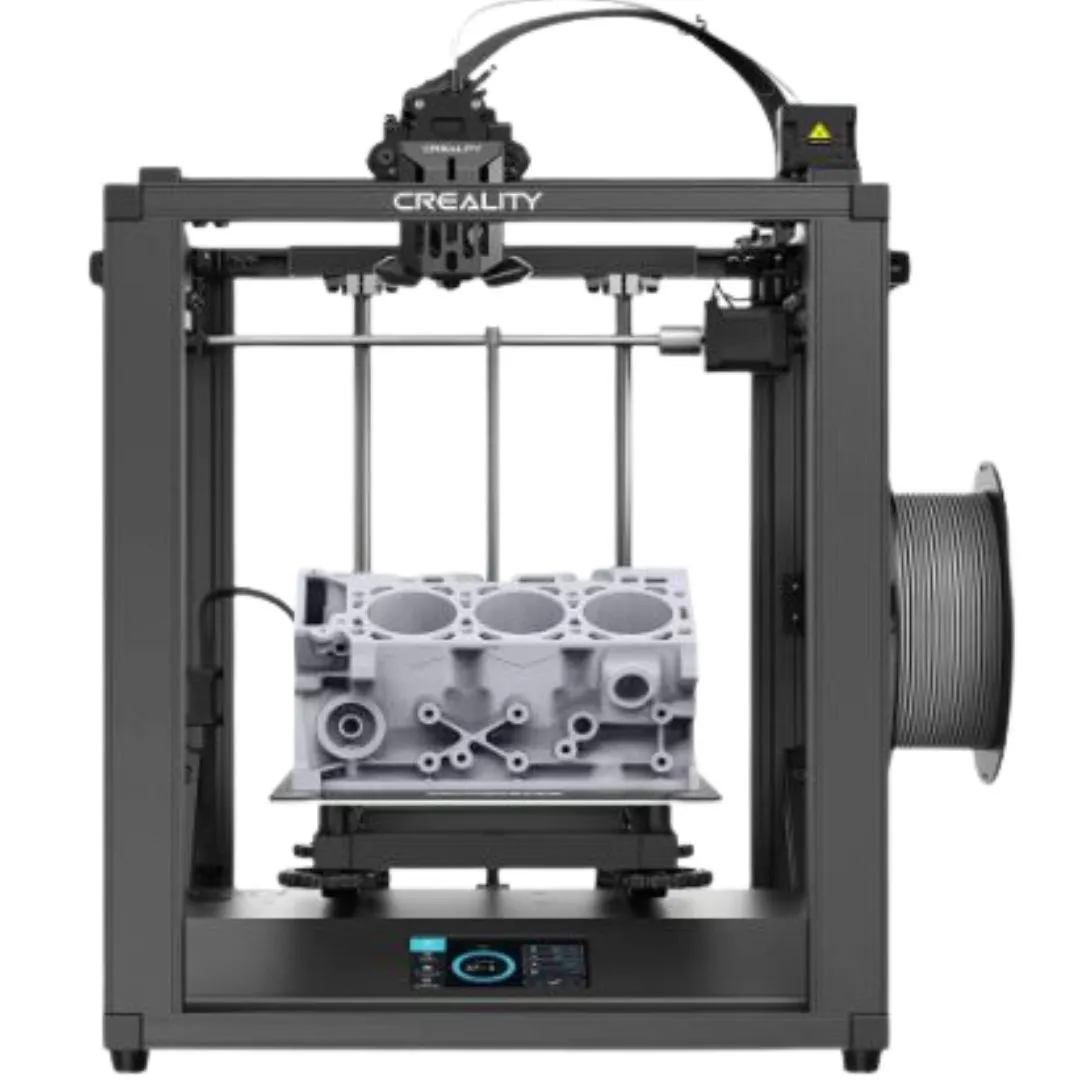
Creality Ender-5 S1 FDM 3D Printer
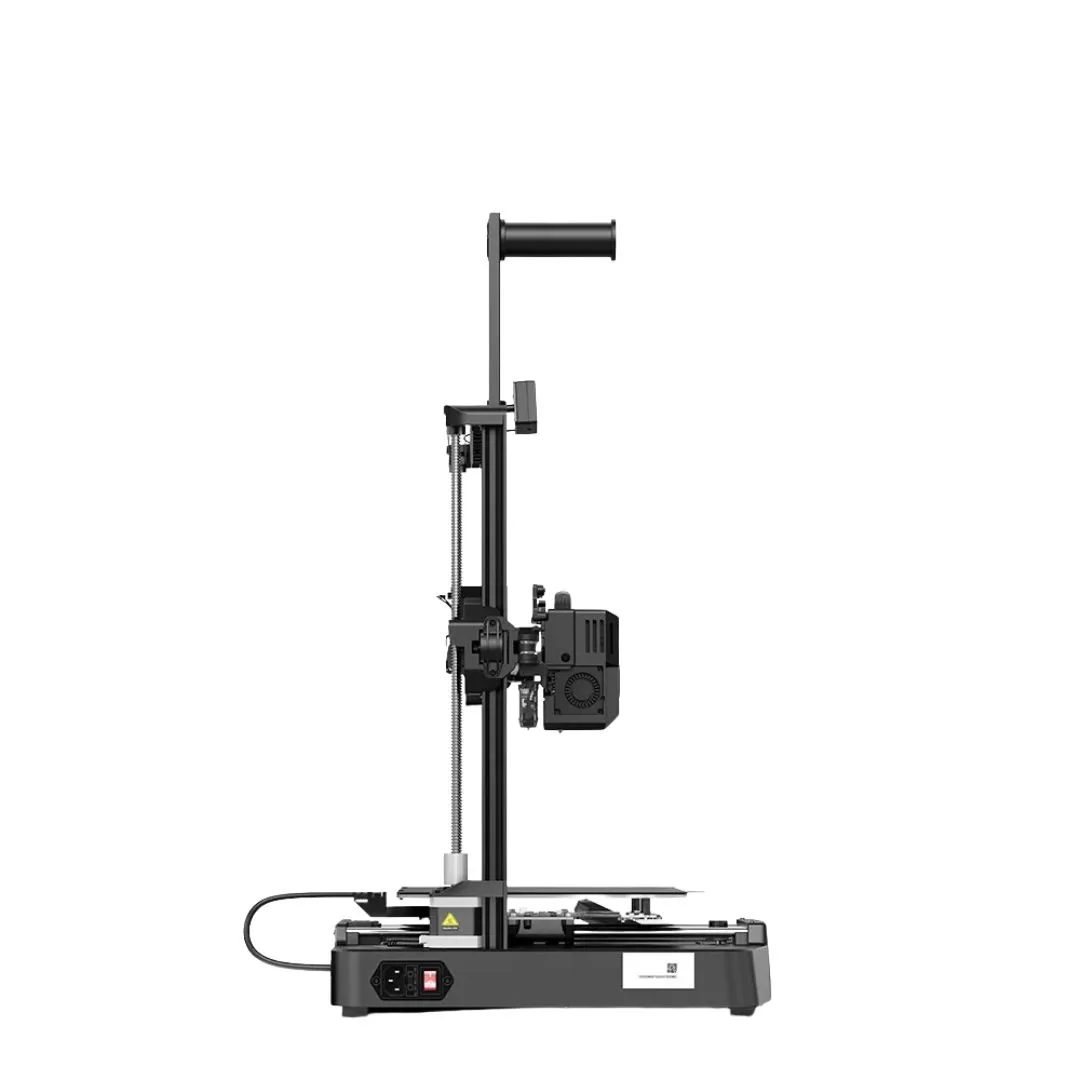
Creality Ender 3 V3 KE FDM 3D Printer
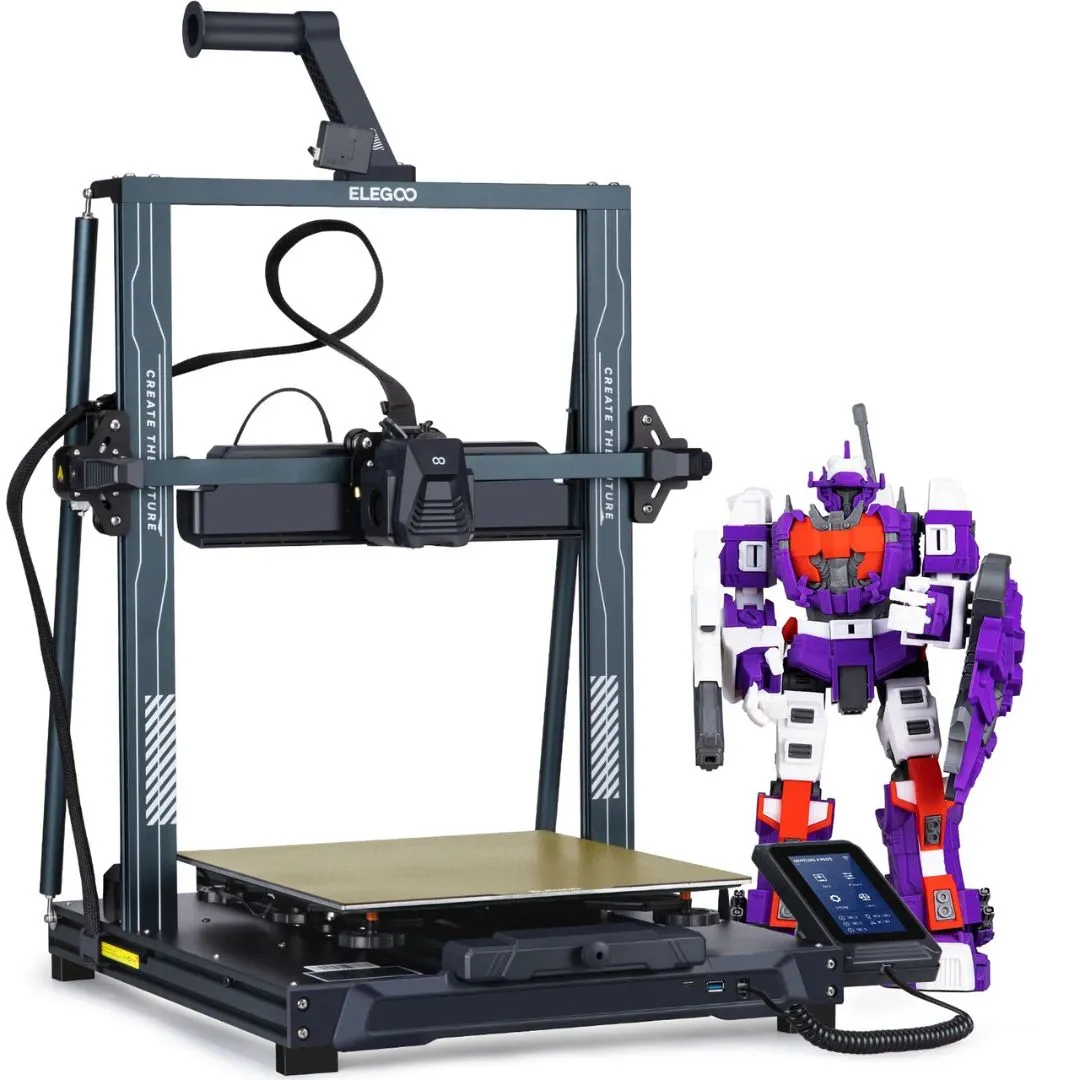 Save PKR 20,000
ELEGOO Neptune 4 Plus FDM 3D Printer
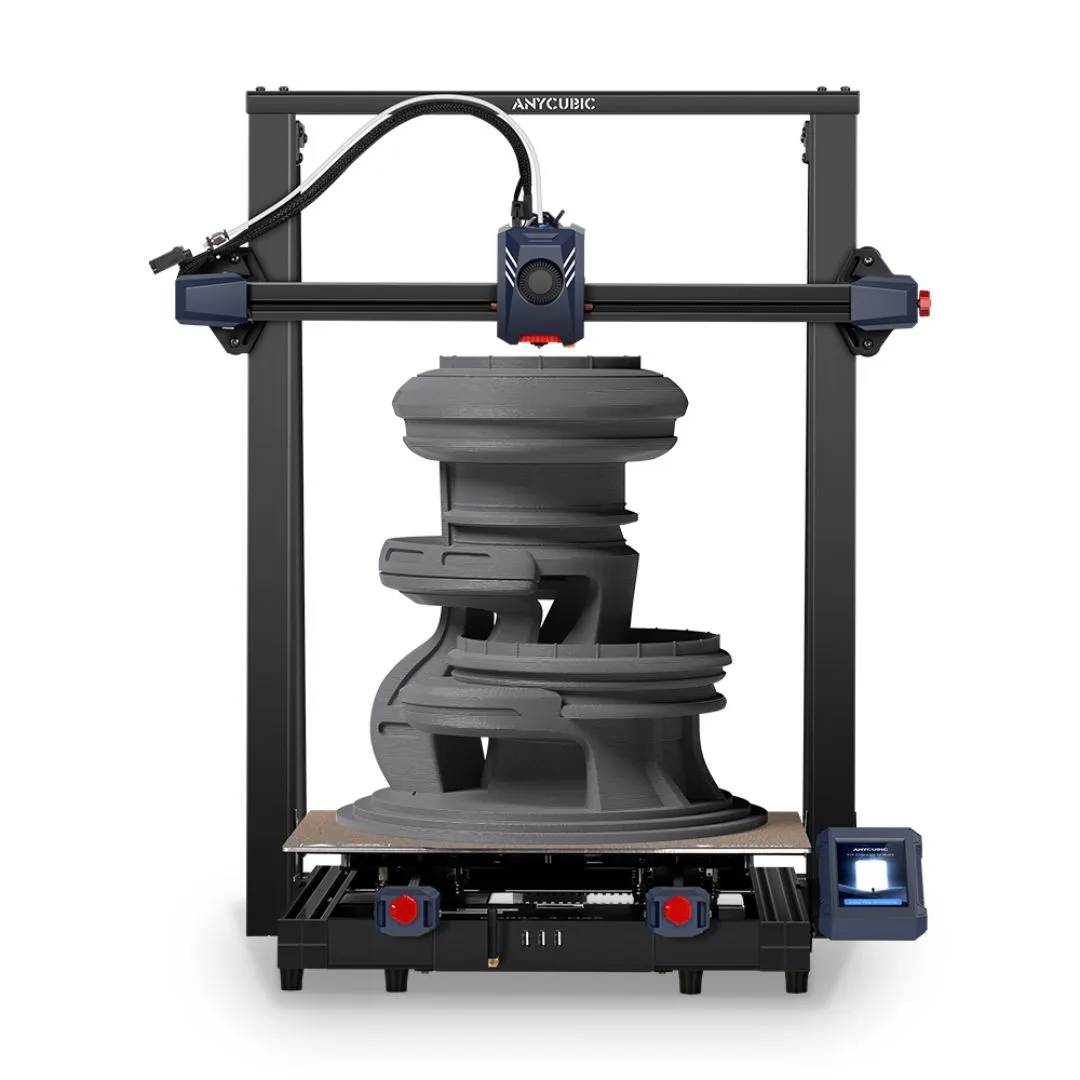 Save PKR 20,000
Anycubic Kobra 2 Max High-Speed Large Format FDM 3D Printer
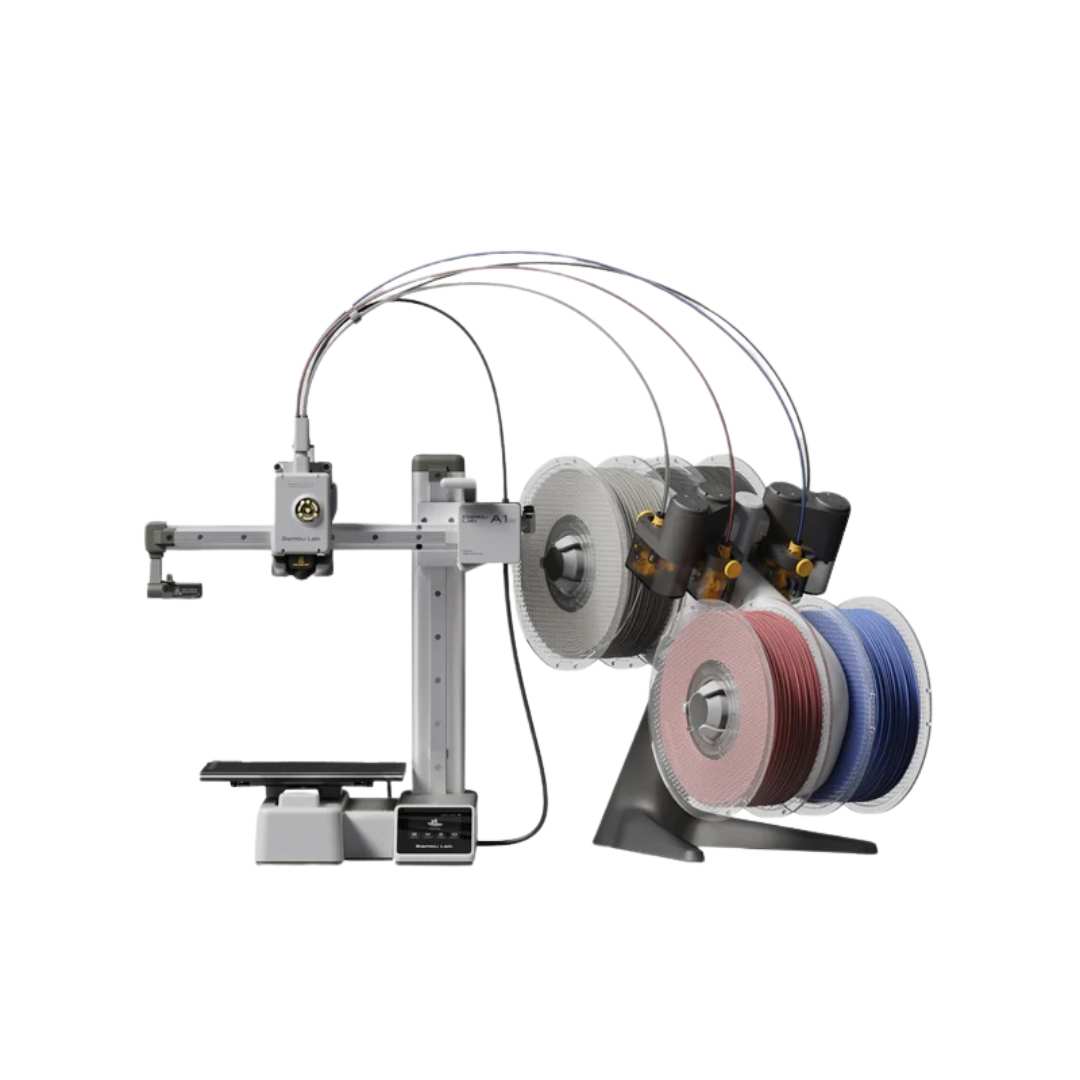
Bambu Lab A1 Mini Combo With AMS Lite FDM 3D Printer CN
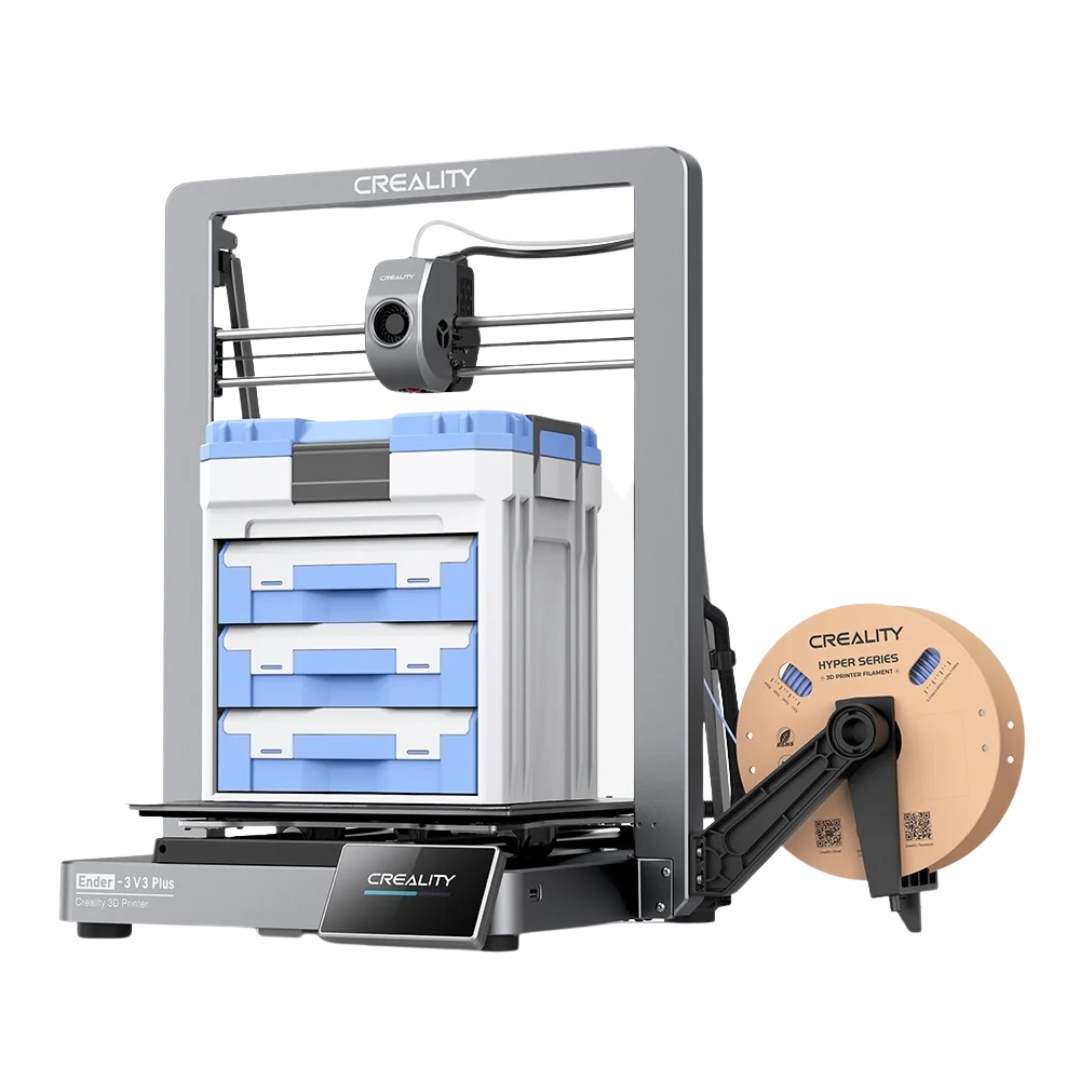
Creality Ender-3 V3 Plus
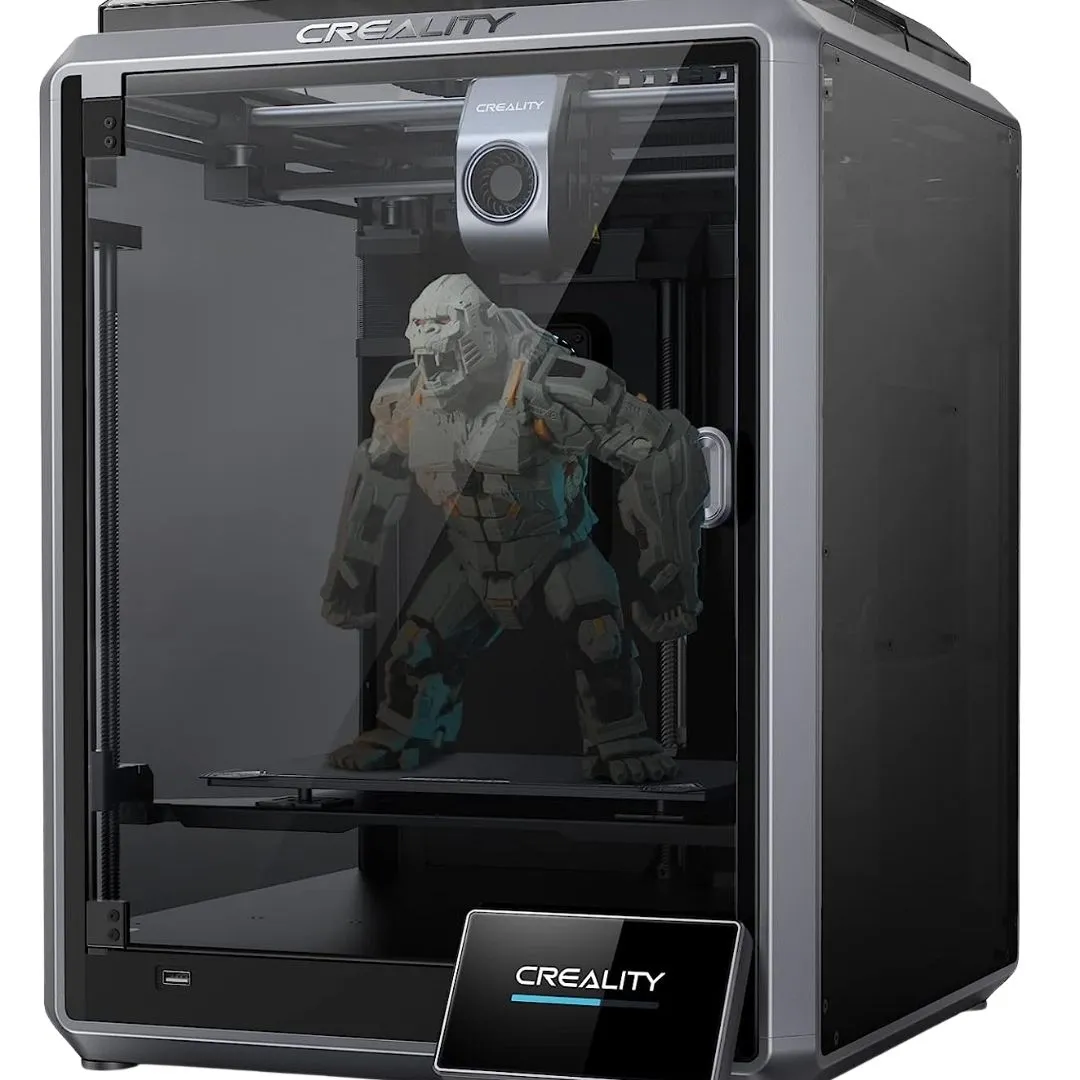 Save PKR 20,000
Creality K1 High-Speed FDM 3D Printer
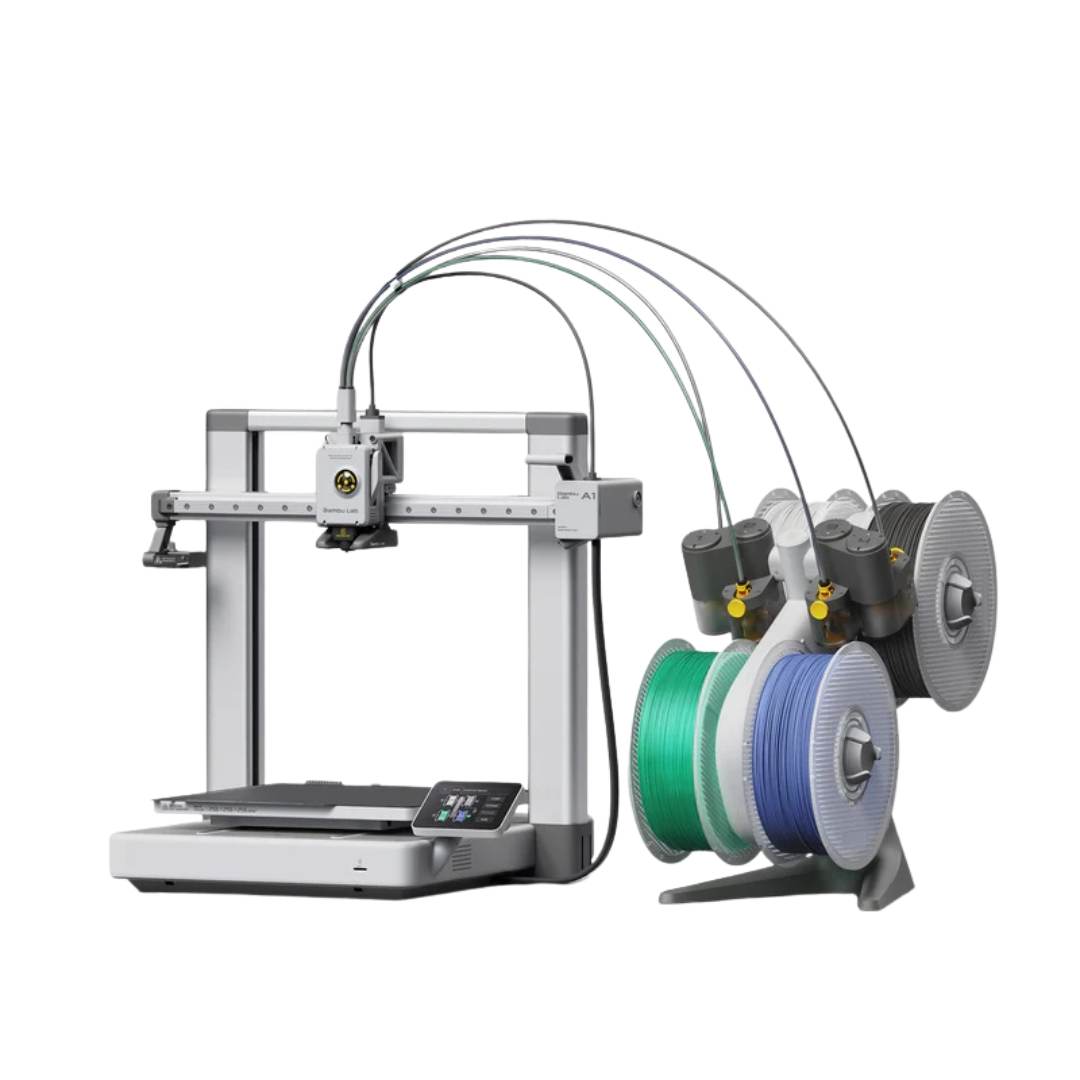 Save PKR 135,000
Bambu Lab A1
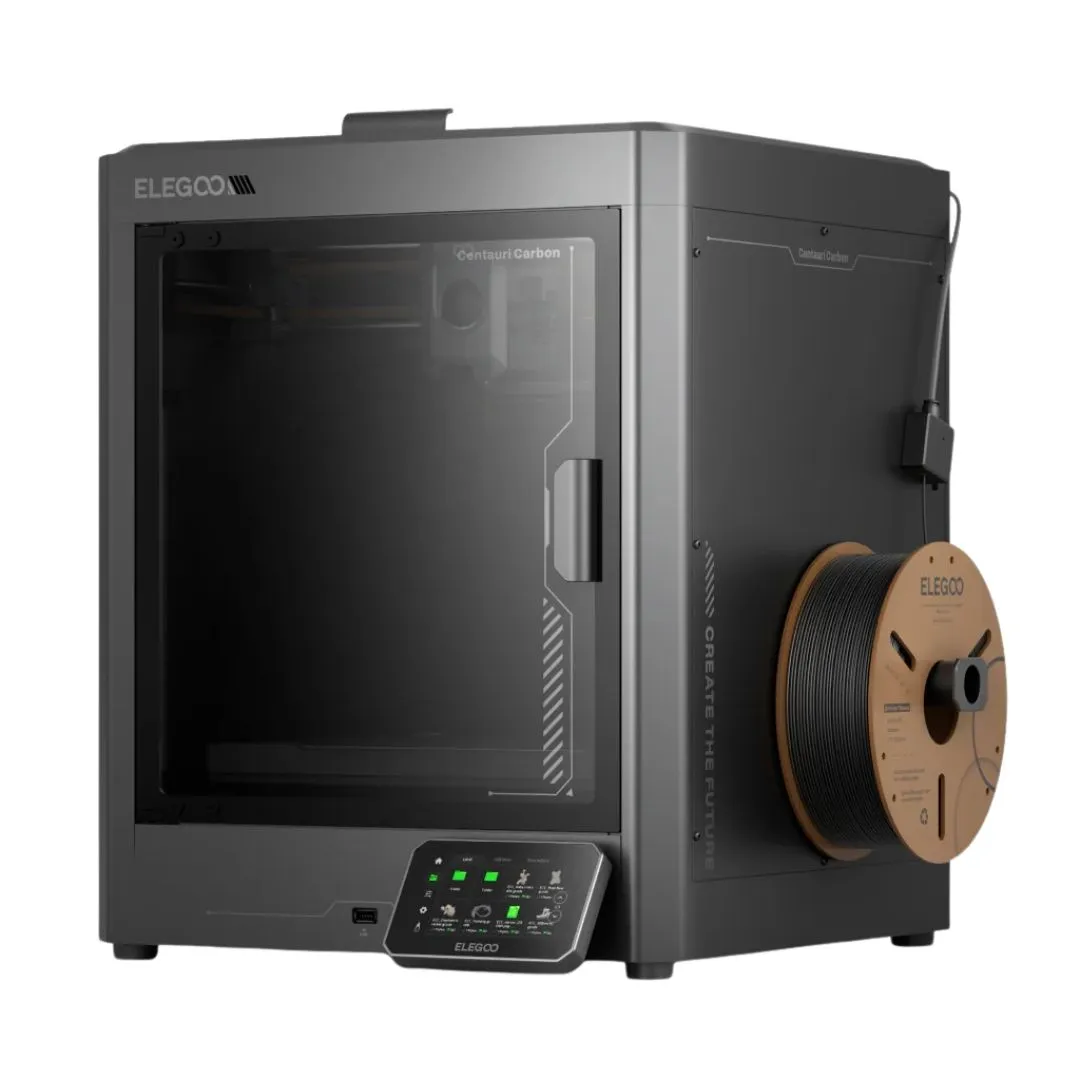 Save PKR 20,000
ELEGOO Centauri Carbon FDM 3D Printer
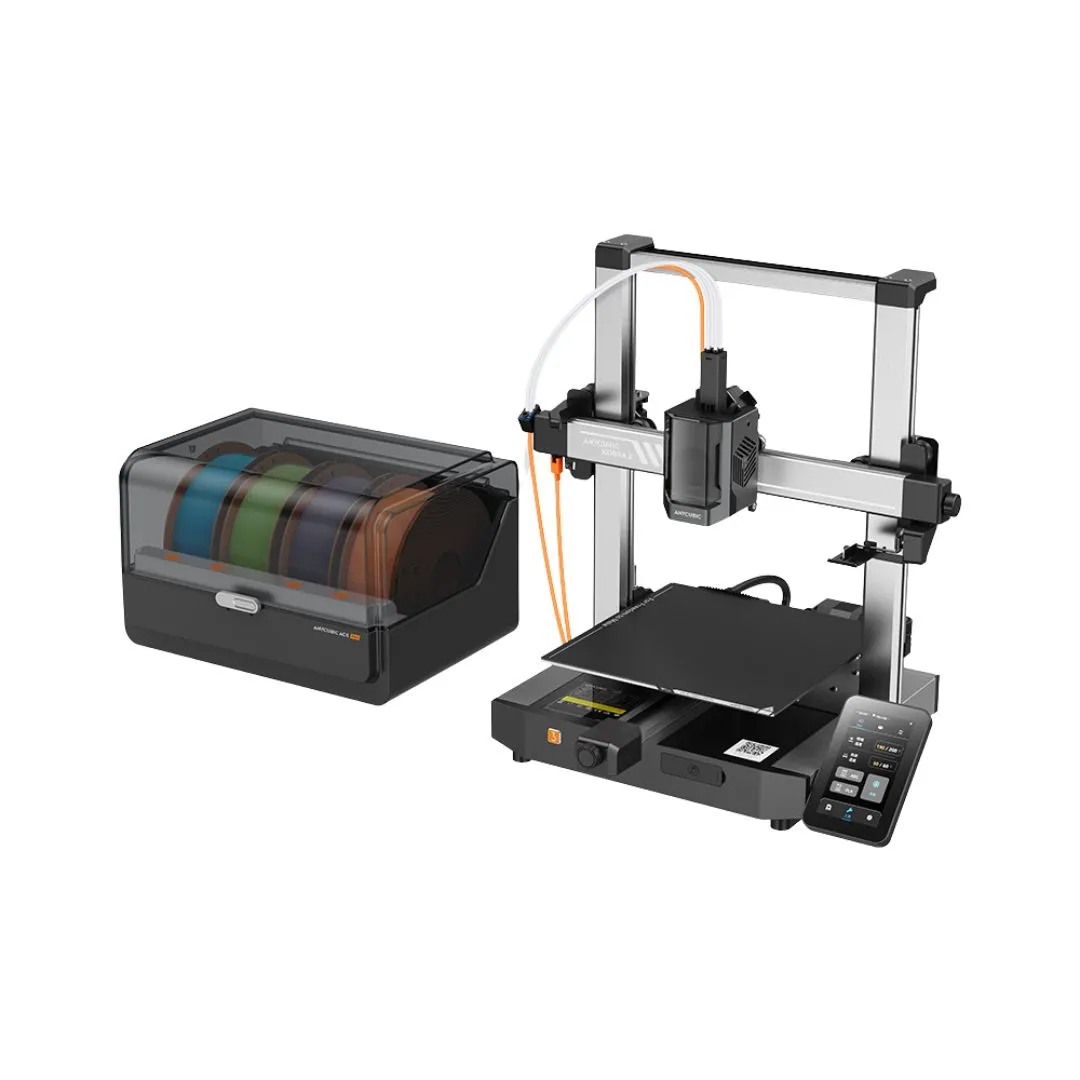 Save PKR 20,000
Anycubic Kobra 3 & Kobra 3 Combo FDM 3D Printer
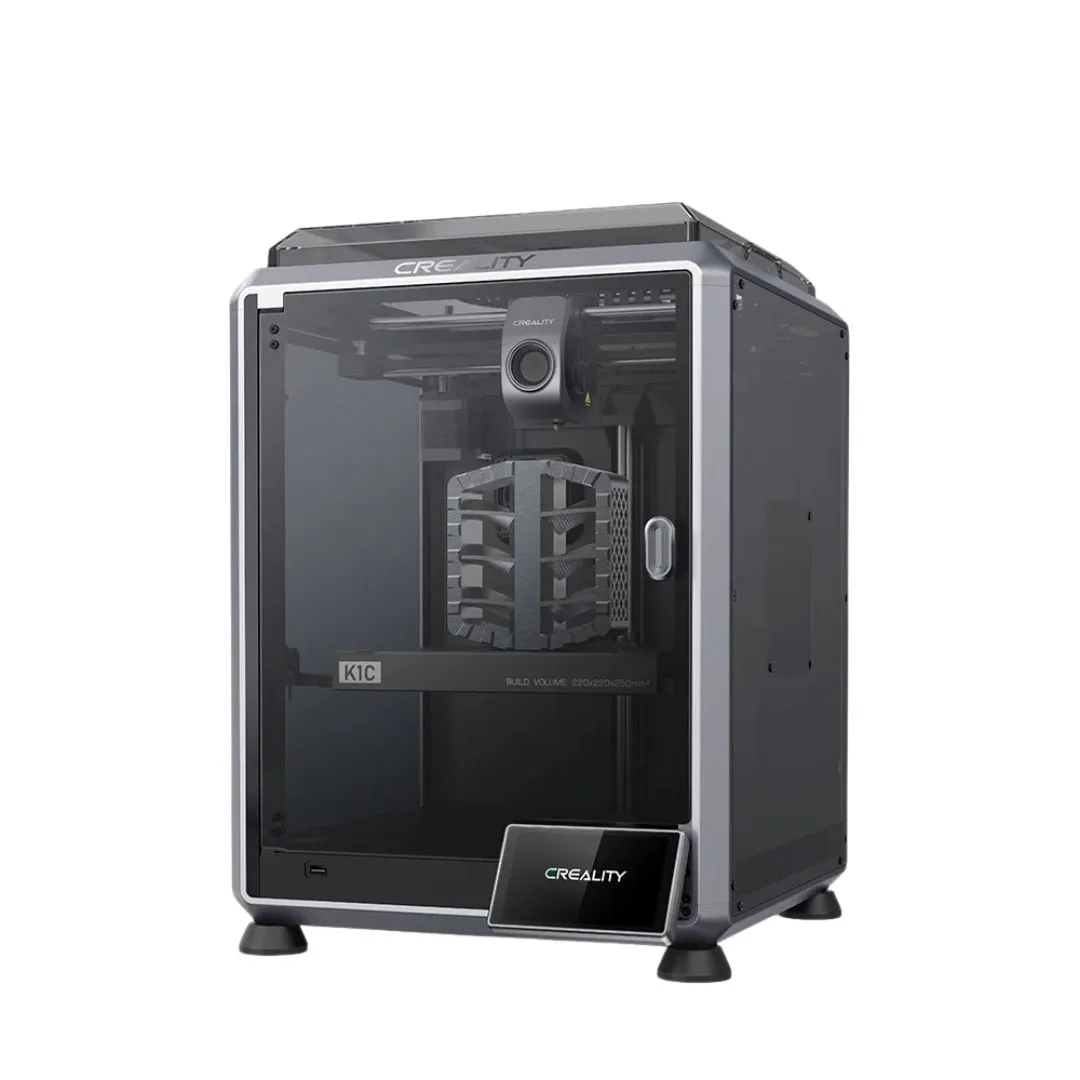 Save PKR 20,000
Creality K1C FDM 3D Printer
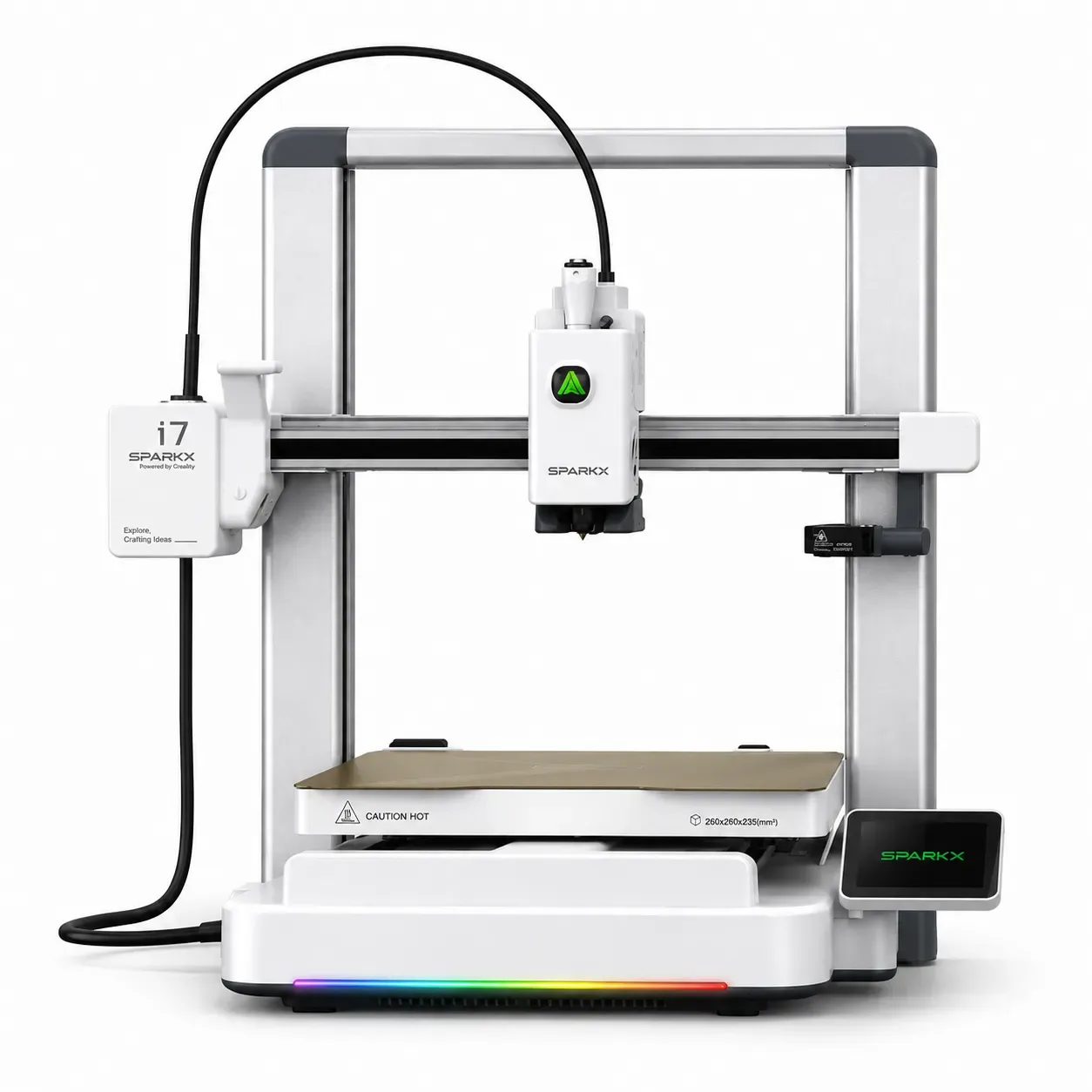 Save PKR 20,000
Creality SPARKX i7 3D Printer
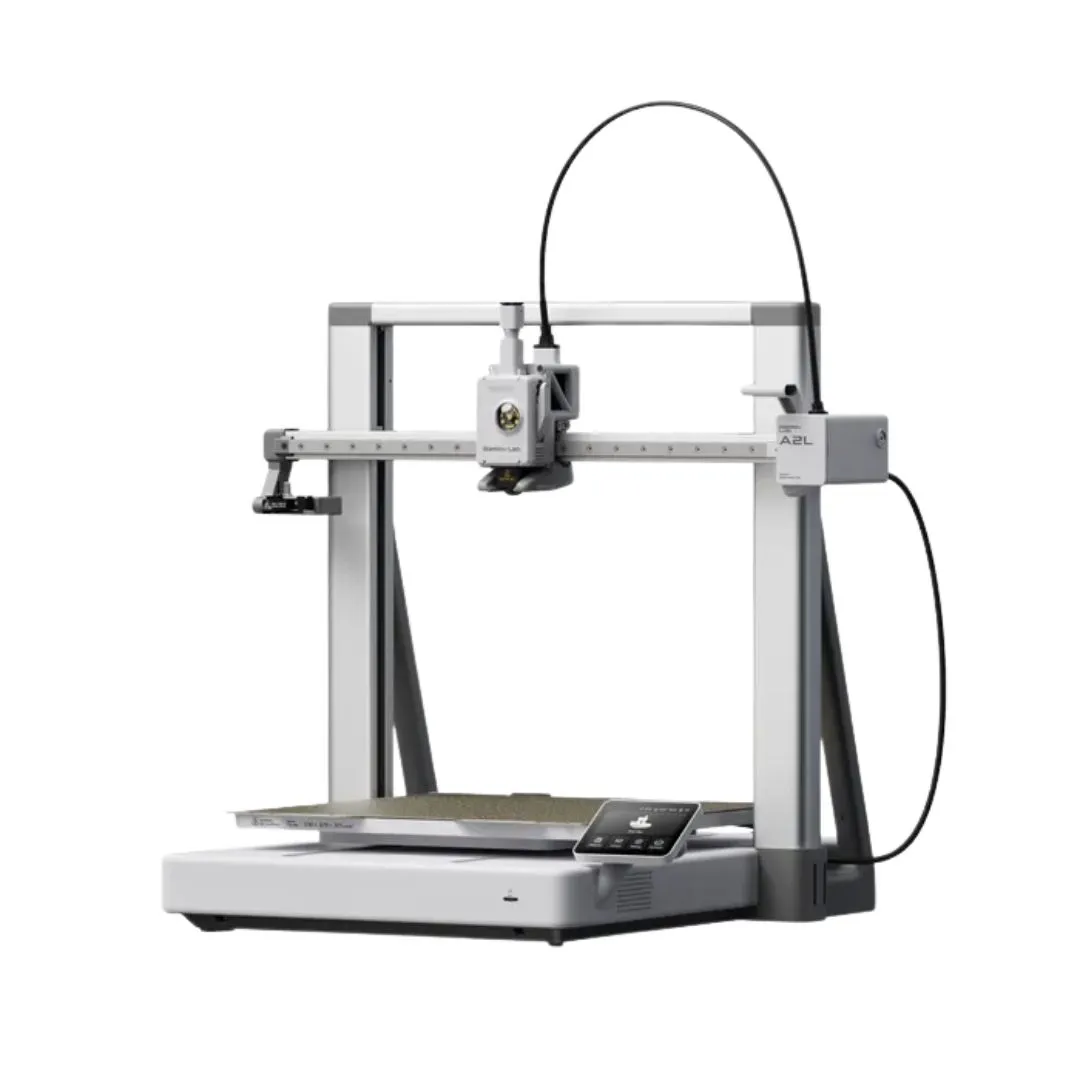
Bambu Lab A2L Large Format 3D Printer
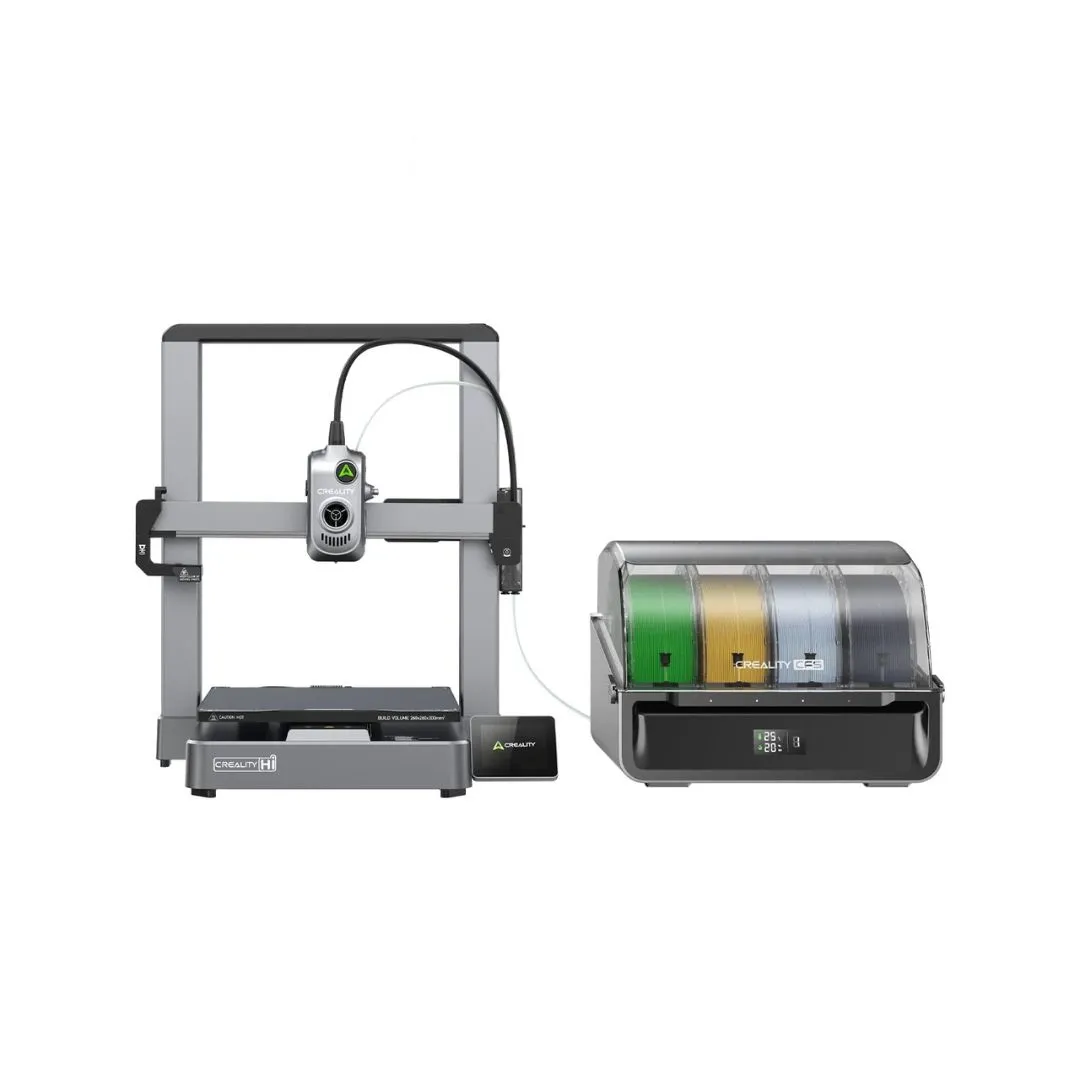 Save PKR 30,000
Creality Hi Combo Multi-Color FDM 3D Printer with CFS
 Save PKR 20,000
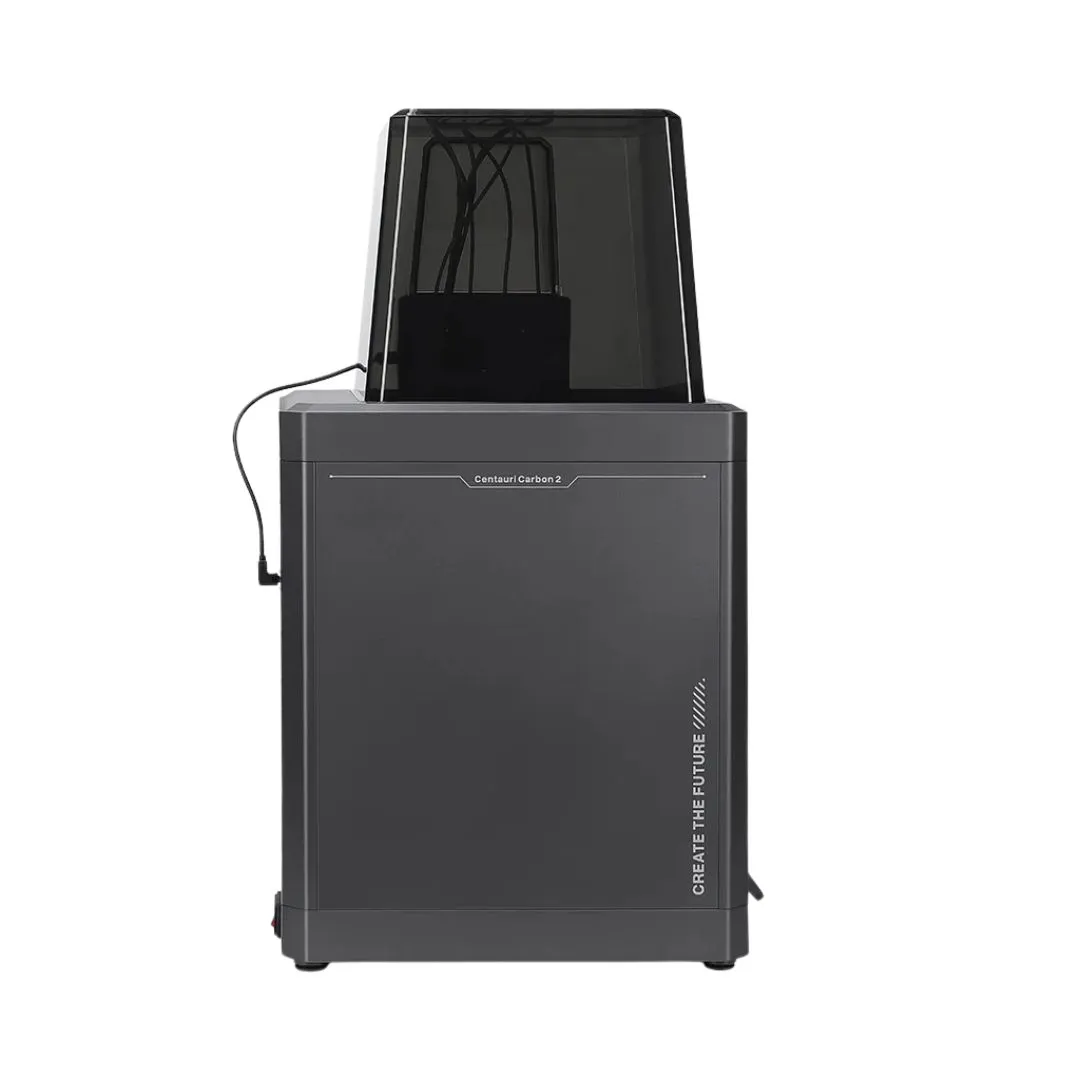
ELEGOO Centauri Carbon 2 Combo CoreXY Multi-Color 3D Printer
 Save PKR 20,000
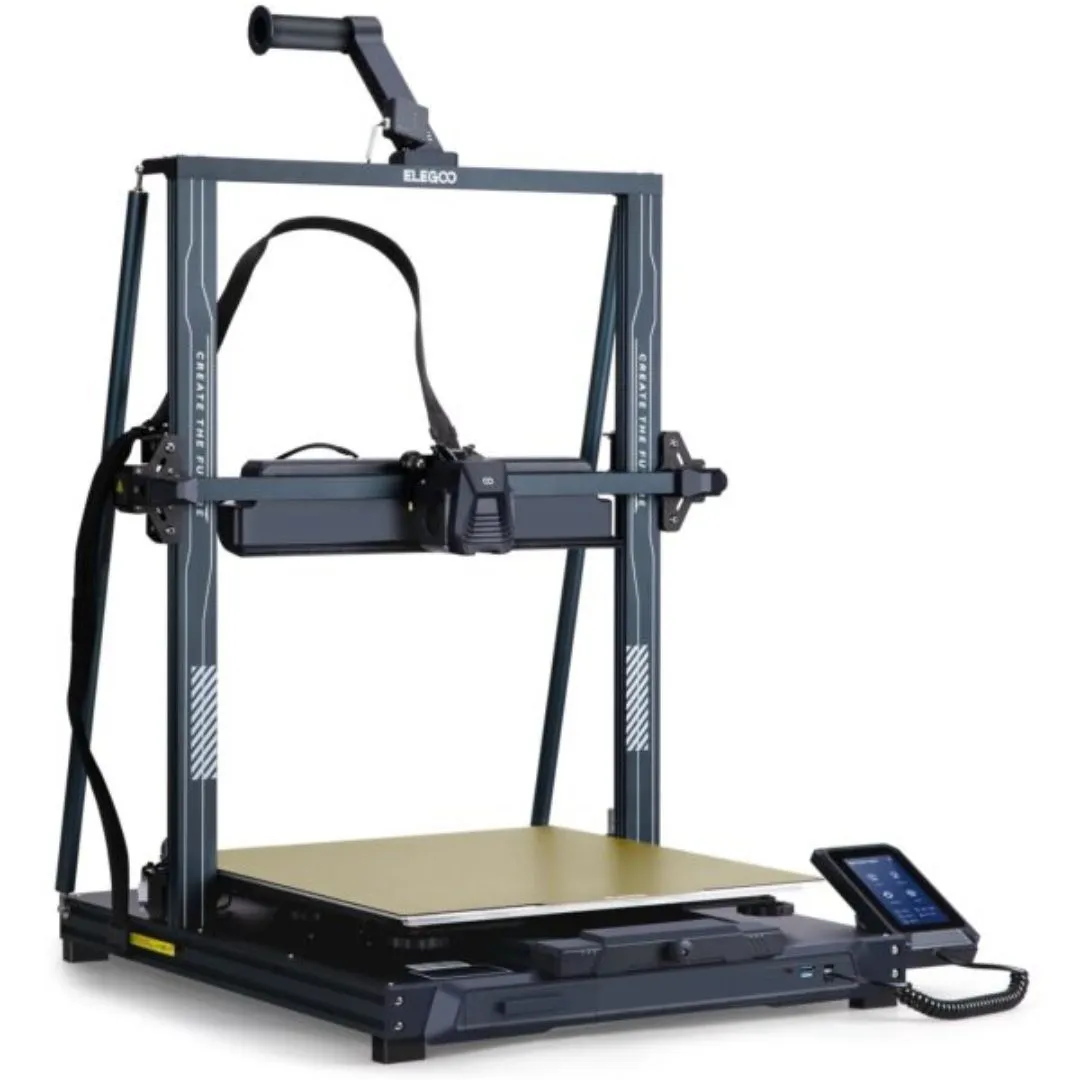
ELEGOO Neptune 4 Max FDM 3D Printer
 Save PKR 40,000
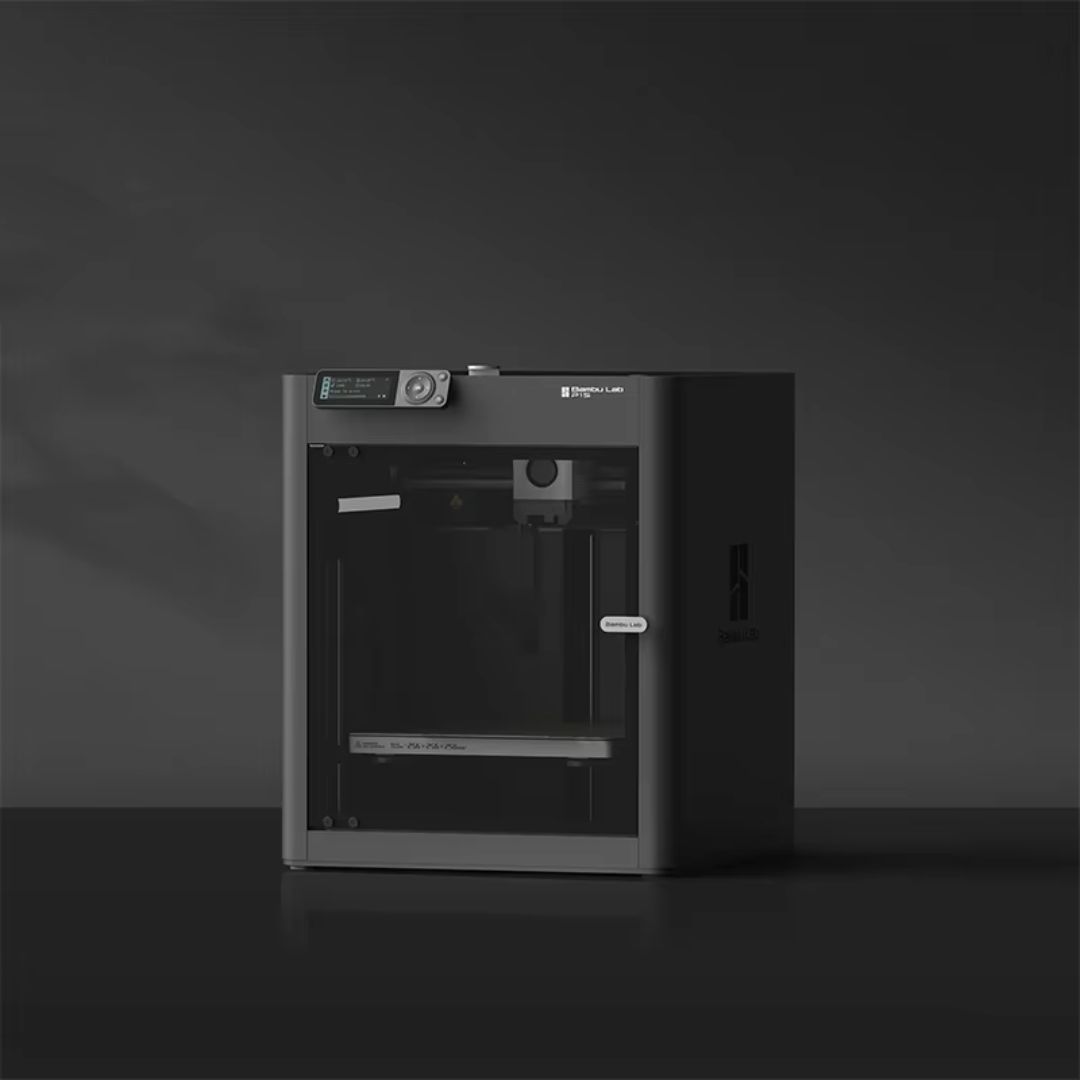
Bambu Lab P1S
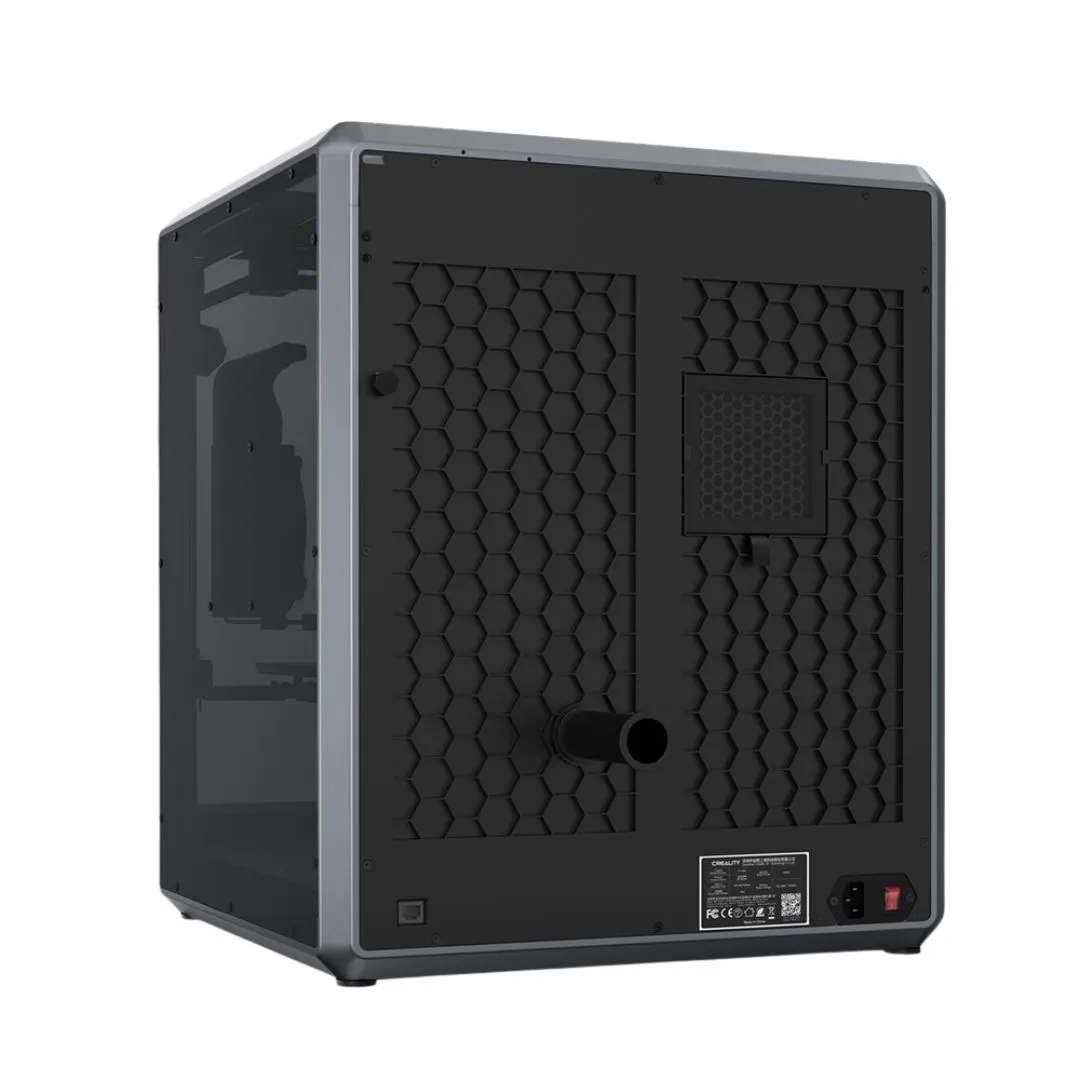
Creality K1 Max FDM 3D Printer
 Save PKR 20,000
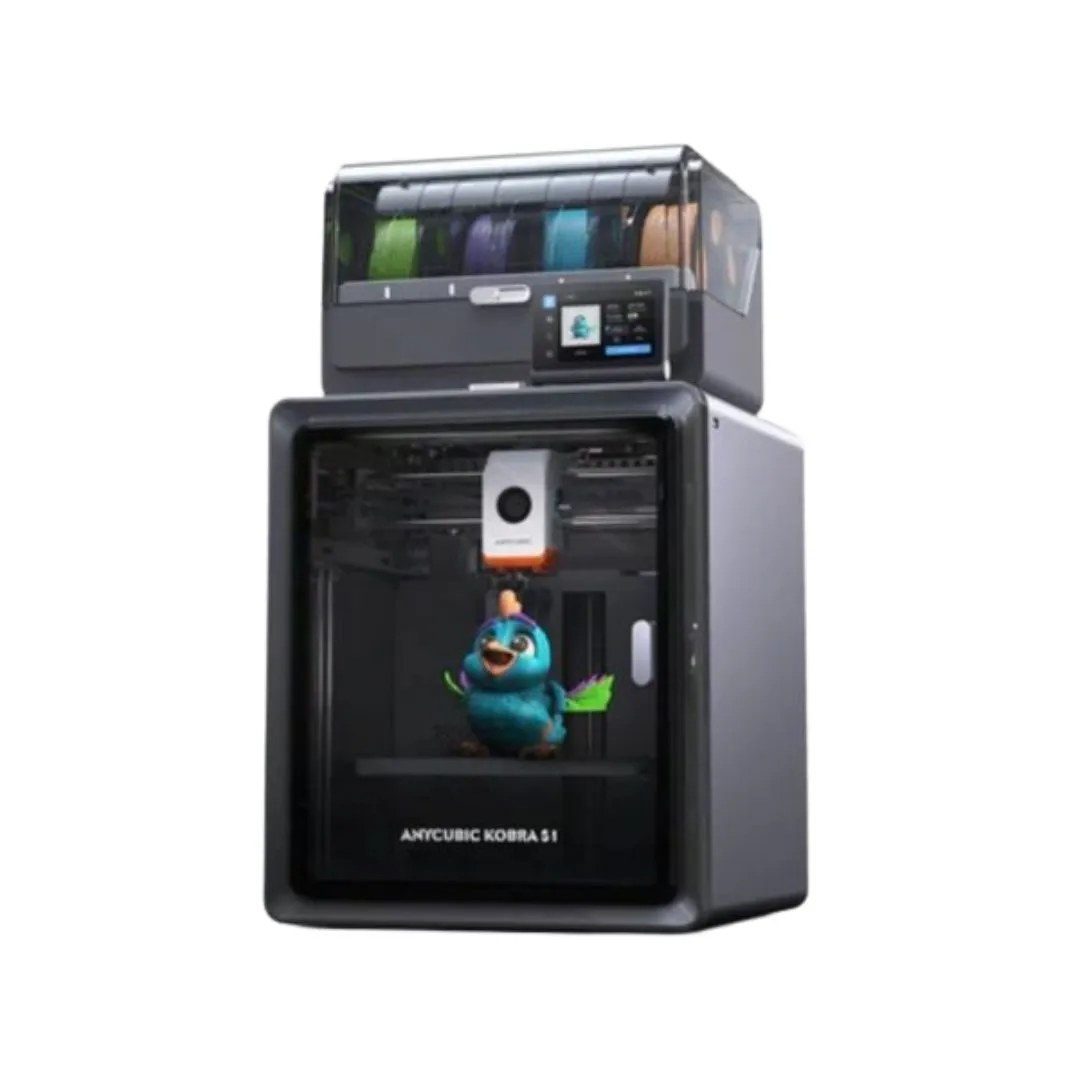
Anycubic Kobra S1 Combo FDM 3D Printer
 Save PKR 380,000
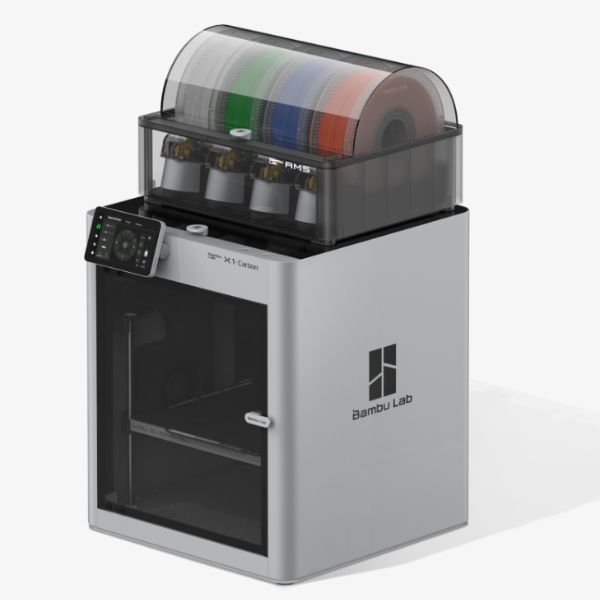
Bambu Lab X1 Carbon
 Save PKR 280,000
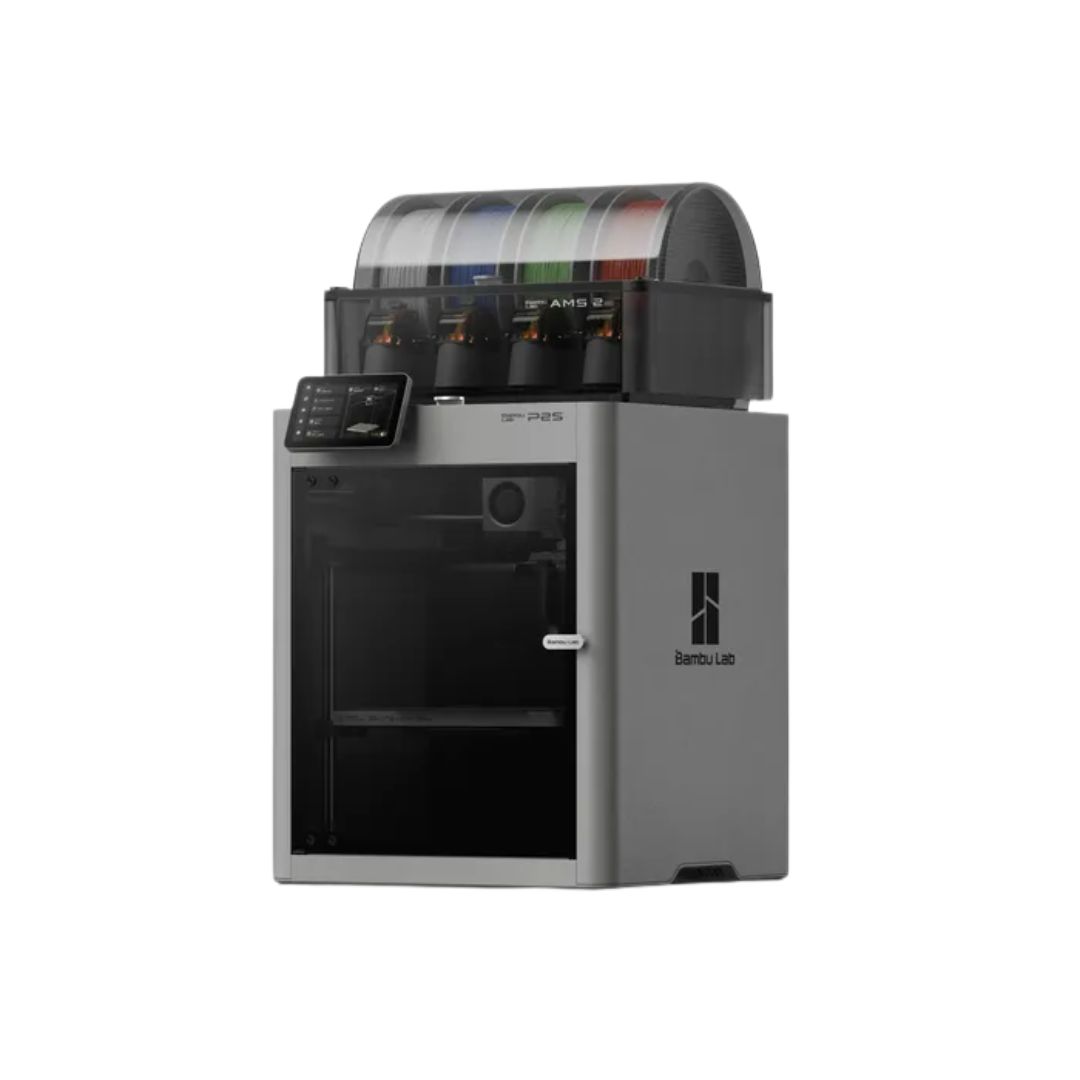
Bambu Lab P2S
 Save PKR 360,000
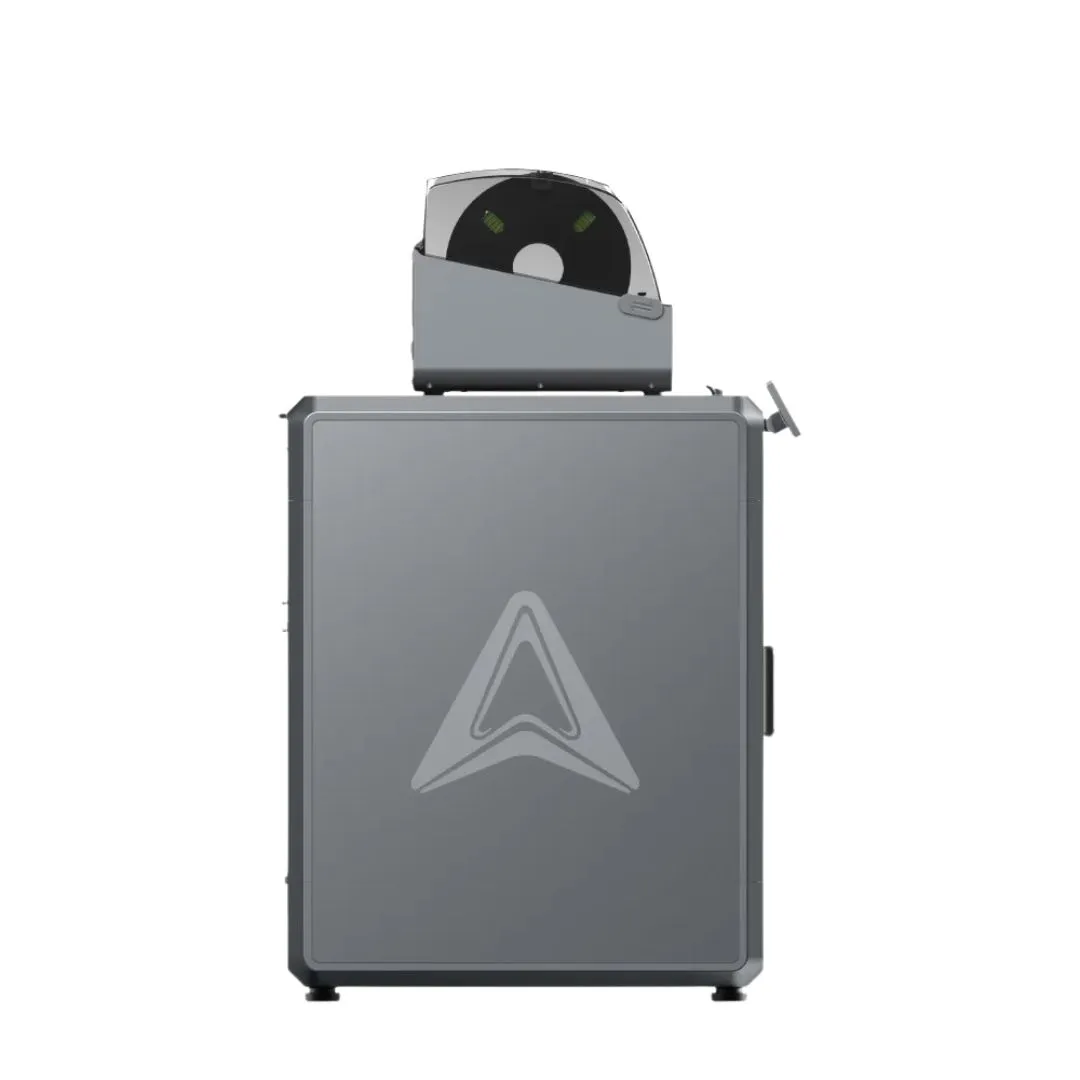
Creality K2 Plus CFS Combo FDM 3D Printer – 16 Color Multi-Material Printing.
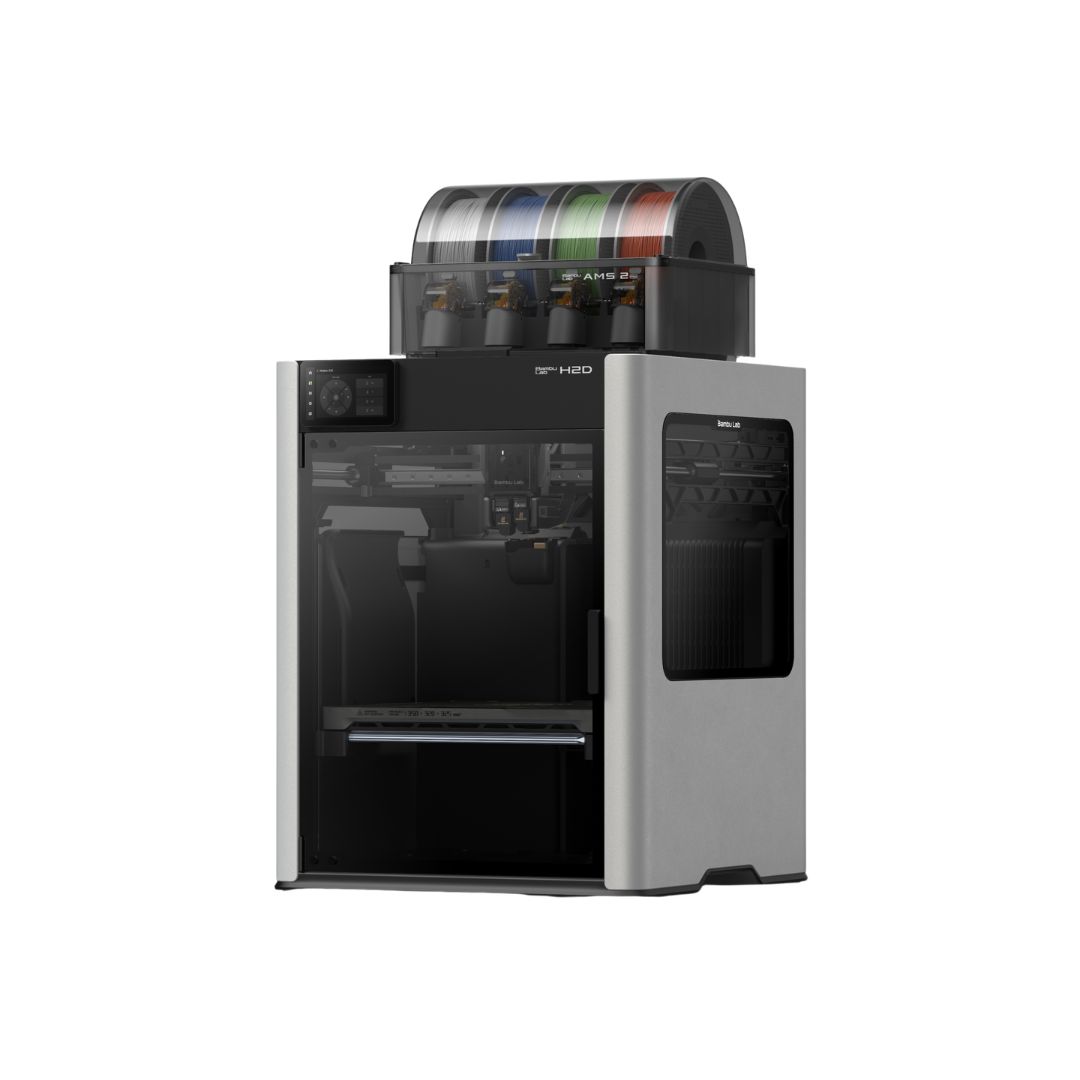 Save PKR 200,000
Bambu Lab H2D
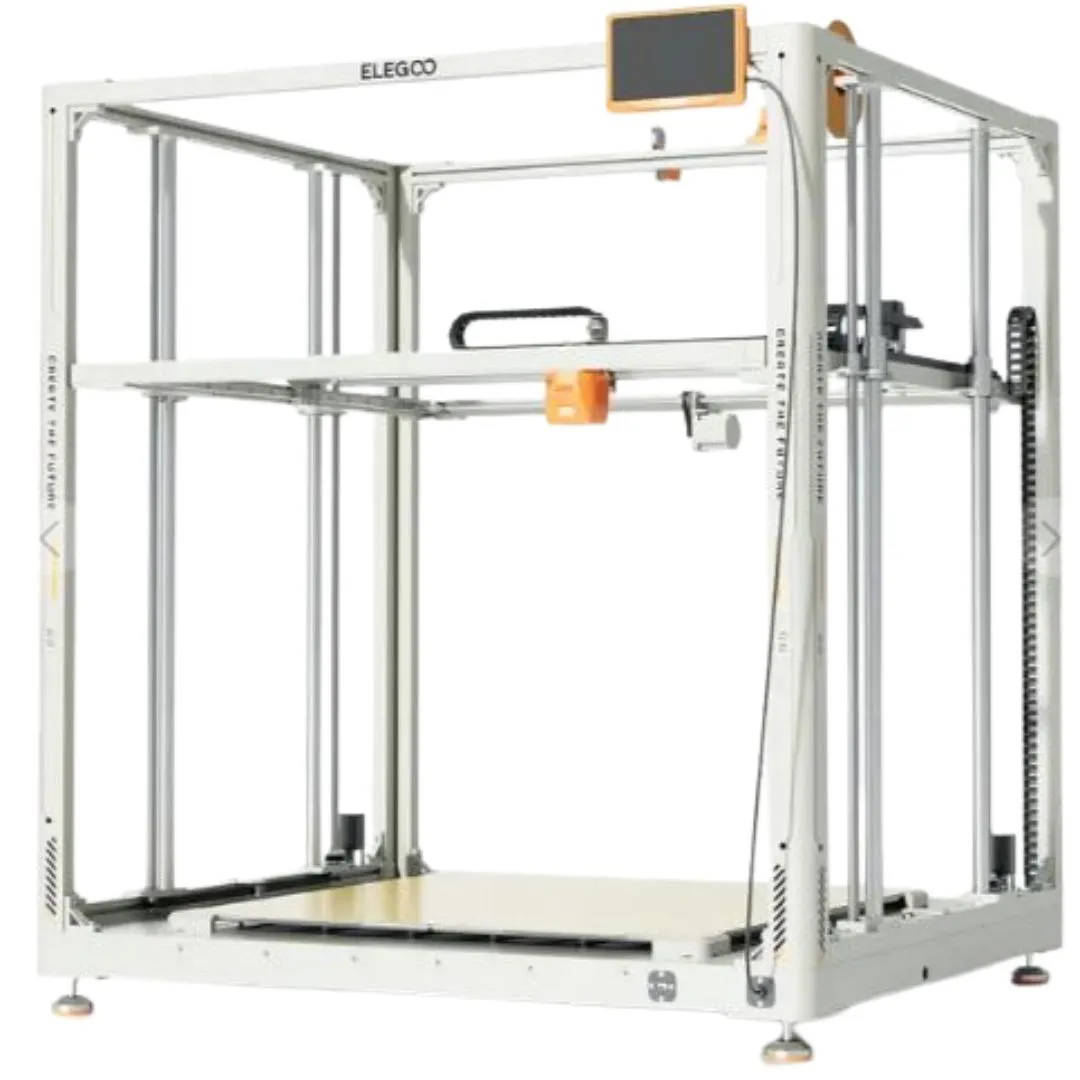 Save PKR 200,000
ELEGOO OrangeStorm Giga FDM 3D Printer
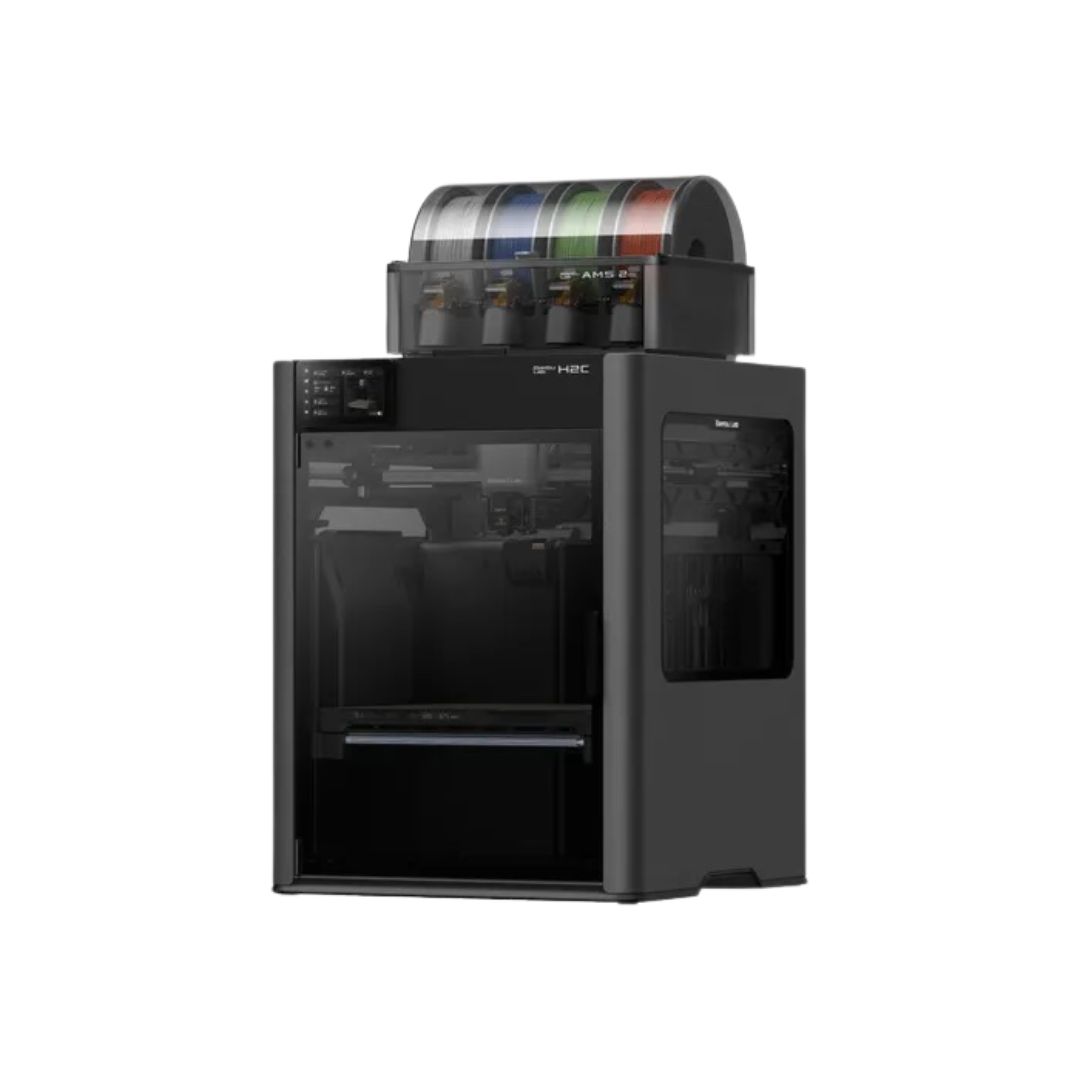 Save PKR 500,000
Bambu Lab H2C
How to choose an FDM 3D printer
Build volume
The single most common regret is buying too small. Check the largest thing you realistically expect to print and add margin — a 220 × 220 mm bed sounds generous until you try to print a drone frame or an architectural massing model in one piece. Splitting parts and gluing them is possible but adds work to every single print.
Enclosed or open frame
An enclosure holds a stable chamber temperature, which is what stops ABS, ASA and carbon-fibre filled filaments from warping and splitting mid-print. If you only intend to print PLA and PETG, an open-frame machine is fine and cheaper. If engineering materials are anywhere in your plans, buy enclosed — retrofitting later never works as well.
Direct drive or Bowden
A direct-drive extruder mounts the motor on the print head, giving better control over flexible filaments like TPU. Bowden setups push filament through a tube from a fixed motor, which keeps the head lighter and allows higher speeds. Direct drive is the safer general-purpose choice; Bowden suits speed-focused printing in rigid materials.
Auto bed levelling
Now standard on almost every machine worth buying, and worth insisting on. Manual levelling is the most common cause of failed first prints and the most common reason a new printer ends up unused in a cupboard.
Multi-material capability
Systems such as Bambu Lab's AMS and Creality's CFS let one printer feed several filaments, enabling multi-colour prints and dissolvable supports. Genuinely useful, but they add cost and complexity, and they waste filament on every colour change. Skip it on a first printer unless multi-colour is the actual reason you are buying.
Print speed
Modern core-XY machines print several times faster than the older bed-slinger designs. Speed matters most if you are printing in volume or running a service — for occasional use, reliability is worth far more than a faster headline figure.
FDM filament types and what each is for
PLA
The default. Prints at low temperature, needs no enclosure, barely warps and comes in every colour. Ideal for models, prototypes and anything decorative. Its weakness matters in Pakistan: PLA softens around 60 °C, so a PLA part left in a parked car through a Lahore summer will deform. Do not use it for anything that lives outdoors or in direct sun.
PETG
The practical upgrade. Tougher than PLA, handles heat and moisture far better, and survives outdoor use. Slightly stringier to print and needs a little tuning, but for functional parts that must last, this is usually the right material.
ABS / ASA
Engineering materials for high-temperature and outdoor parts. Both need an enclosed printer and proper ventilation — ABS in particular releases fumes that should not be breathed in a closed room. ASA handles UV exposure better, which matters for anything mounted outside.
TPU
Flexible filament for phone cases, gaskets, grips and vibration mounts. Prints best slowly and on a direct-drive extruder. Absorbs moisture aggressively, so it must be stored sealed.
Carbon-fibre composites
PLA, PETG or nylon loaded with chopped carbon fibre for stiffness and dimensional stability. These are abrasive and will chew through a brass nozzle in hours — a hardened steel nozzle is mandatory, not optional.
One thing specific to printing in Pakistan
Humidity is the problem nobody warns first-time buyers about. Filament absorbs moisture from the air, and during monsoon season it can do so in days. Wet filament pops and hisses as it prints, strings between parts, and produces layers that peel apart under load. Store spools sealed with silica gel between prints, and dry any spool that has been left out before using it for something that matters. This costs almost nothing and prevents the majority of mysterious print-quality problems.
FDM printer prices by budget
Entry level — Under PKR 200,000
- Anycubic Kobra 2 Pro FDM 3D Printer 145,000
- Creality Ender-3 V3 SE FDM 3D Printer 165,000
- Prusa MK4S FDM 3D Printer 169,000
- Original Prusa MK3S+ FDM 3D Printer 169,000
- ELEGOO Neptune 4 FDM 3D Printer 175,000
- ELEGOO Neptune 4 Pro FDM 3D Printer 180,000
- Creality Ender-5 S1 FDM 3D Printer 190,000
- Creality Ender 3 V3 KE FDM 3D Printer 195,000
Mid range — PKR 200,000 – 400,000
- ELEGOO Neptune 4 Plus FDM 3D Printer 230,000
- Anycubic Kobra 2 Max High-Speed Large Format FDM 3D Printer 260,000
- Bambu Lab A1 Mini Combo With AMS Lite FDM 3D Printer CN 265,000
- Creality Ender-3 V3 Plus 270,000
- Creality K1 High-Speed FDM 3D Printer 280,000
- Bambu Lab A1 315,000
- ELEGOO Centauri Carbon FDM 3D Printer 320,000
- Anycubic Kobra 3 & Kobra 3 Combo FDM 3D Printer 320,000
- Creality K1C FDM 3D Printer 330,000
- Creality SPARKX i7 3D Printer 390,000
Professional — PKR 400,000 – 900,000
- Bambu Lab A2L Large Format 3D Printer 410,000
- Creality Hi Combo Multi-Color FDM 3D Printer with CFS 420,000
- ELEGOO Centauri Carbon 2 Combo CoreXY Multi-Color 3D Printer 430,000
- ELEGOO Neptune 4 Max FDM 3D Printer 480,000
- Bambu Lab P1S 510,000
- Creality K1 Max FDM 3D Printer 590,000
- Anycubic Kobra S1 Combo FDM 3D Printer 680,000
- Bambu Lab X1 Carbon 790,000
- Bambu Lab P2S 820,000
Large format & industrial — PKR 900,000 and above
- Creality K2 Plus CFS Combo FDM 3D Printer – 16 Color Multi-Material Printing. 1,230,000
- Bambu Lab H2D 1,700,000
- ELEGOO OrangeStorm Giga FDM 3D Printer 2,300,000
- Bambu Lab H2C 2,300,000
Not sure which FDM printer to choose?
Tell us what you intend to print and your budget — we will recommend the right machine and send a written quotation if you need one.
Frequently Asked Questions
What is an FDM 3D printer?
An FDM (Fused Deposition Modeling) 3D printer melts plastic filament through a heated nozzle and deposits it layer by layer to build a solid object. It is the most common 3D printing technology, used for functional parts, prototypes, architectural models and general-purpose printing. FDM machines use materials such as PLA, PETG, ABS, ASA and TPU.
How much does an FDM 3D printer cost in Pakistan?
FDM 3D printer prices at PakTechImports depend on build volume, print speed and whether the machine is enclosed. Entry-level open-frame machines suitable for students and hobbyists cost the least, mid-range auto-levelling printers suit regular use in universities and design studios, and enclosed high-speed machines capable of engineering filaments cost considerably more. Current prices for every model are listed on the 3D printer price page, and all prices include import handling with no additional customs charges.
Which FDM 3D printer is best for beginners in Pakistan?
A beginner should look for automatic bed levelling, a heated bed and a well-supported brand with locally available spare parts. The Creality Ender series and the Bambu Lab A1 series are the usual recommendations: both run reliably on inexpensive PLA filament, require minimal calibration, and have large online communities so troubleshooting answers are easy to find. Avoid unbranded machines, where a failed part means the printer becomes unusable.
Do I need an enclosed FDM printer?
Only if you intend to print ABS, ASA or carbon-fibre filled filaments. An enclosure maintains a stable chamber temperature, which prevents those materials warping and cracking mid-print. For PLA and PETG, which cover most hobby and prototyping work, an open-frame printer performs just as well and costs less. Buy enclosed if engineering materials are in your plans, because retrofitting an enclosure afterwards rarely works properly.
How long does an FDM print take?
Print time depends on object size, layer height and infill rather than on any single speed figure. A small palm-sized model typically takes two to four hours, while a large functional part can run overnight or longer. Modern core-XY machines print substantially faster than older bed-slinger designs, which matters most if you are producing parts in volume.
What running costs should I budget for with an FDM printer?
Filament is the main ongoing cost, followed by replacement nozzles, build plate surfaces and the occasional hotend. Nozzles wear faster when printing abrasive carbon-fibre or glow-in-the-dark filaments, and a hardened steel nozzle is required for those materials. FDM running costs are lower than resin printing, which additionally requires isopropyl alcohol, replacement FEP film and gloves.